Geometric Border: A Designer's Real-World Review
When I first opened the file for Geometric Border, I didn't just see a pattern; I saw a potential bestseller. As someone who spends hours tweaking stitch density and selecting thread colors for client projects, my first impression was immediate: this design has a distinct modern personality that cuts through the noise of traditional floral motifs. It feels crisp, structured, and undeniably sweet without being overly fussy. In a market saturated with generic machine embroidery designs, finding a piece that balances aesthetic appeal with technical reliability is rare.
This isn't just another digital asset to dump into a template. My goal here is to evaluate how Geometric Border actually performs when pulled from the computer screen and stitched onto real-world fabrics. Whether you are an Etsy seller looking to expand your boutique product line or a crafter preparing personalized gifts, understanding the practical nuances of this design is crucial before you commit to a production run.
The Mood and Visual Personality
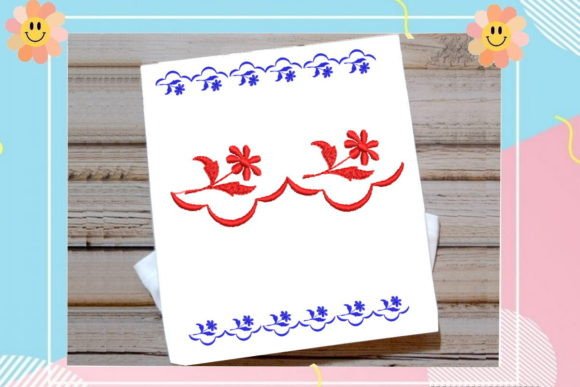
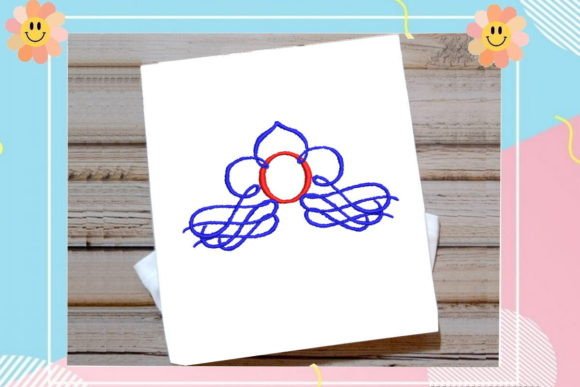
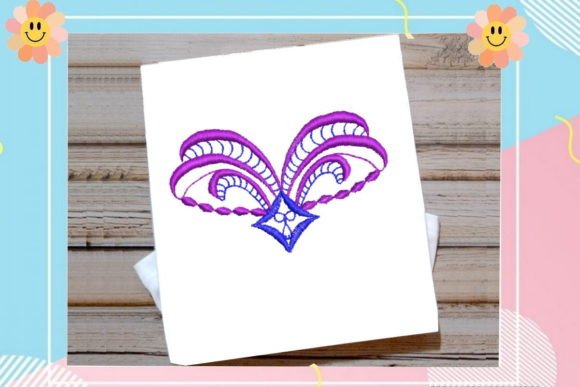
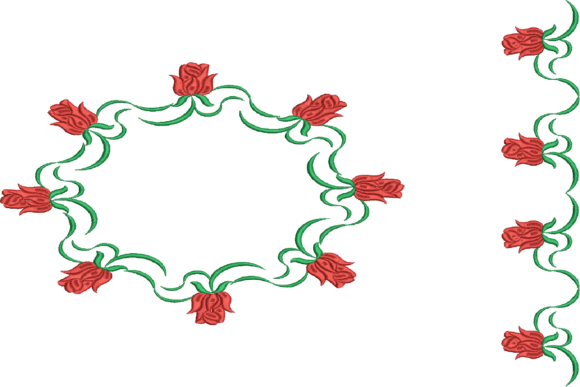
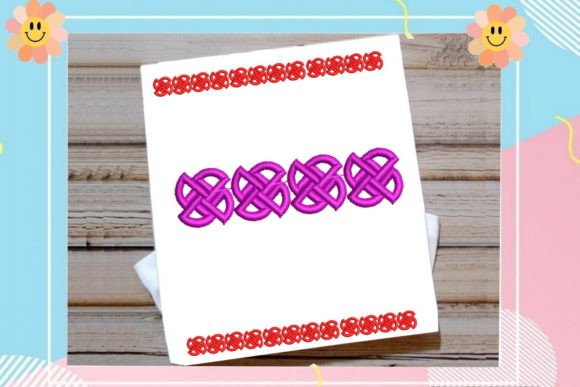
The layout of Geometric Border immediately suggests versatility. The sharp angles and clean lines create a visual rhythm that feels contemporary yet approachable. Unlike some intricate borders that can look muddy when stitched on textured fabrics, this design relies on clear shapes that translate well across different mediums. The theme leans heavily into modern minimalism, making it perfect for decorating clothing items, home decor pieces, and accessories that need a touch of sophistication.
Visually, it strikes a balance between boldness and subtlety. It commands attention without overwhelming the base fabric. When I imagine this design framed around a baby onesie or edging a kitchen towel, the mood shifts instantly from casual to curated. It brings a sense of intentional design to handmade products, elevating the perceived value of the finished item. For small business owners, this kind of visual consistency is key to building a recognizable brand identity.
Real-Life Application: The Custom Tote Bag Scenario
To truly test the capabilities of Geometric Border, let's walk through a specific project scenario. Imagine you are preparing a custom embroidered tote bag for a local craft fair. You have selected a sturdy canvas material in a neutral oatmeal color, aiming for a clean, boutique look. This is where the design shines.
I would place the border along the top hem of the bag, using it as a framing device for a simple monogram in the center. Because the geometric shapes are defined by satin stitches and fill stitches, they hold their structure beautifully on thick canvas. The contrast between the smooth threads and the rough texture of the bag creates a tactile interest that customers love to touch. If you were selling these bags, the clean lines of the design would photograph exceptionally well for printable mockups, ensuring your Etsy listings look professional and polished.
However, if you tried to use this same design on a stretchy sweatshirt without proper stabilization, the results might differ. The geometry demands stability. On a flexible garment like a hoodie, the tension required to keep those straight lines perfectly aligned can cause puckering if the stabilizer isn't robust enough. This highlights a critical point for any designer: the fabric choice dictates the success of the embroidery file.
Performance Across Different Projects
Geometric Border proves to be a workhorse for various applications, but its performance varies depending on the substrate. Here is how it handles common commercial and personal projects:
- Apparel and Sweatshirts: Great for cuffs, collars, or hems. The design adds a tailored finish to casual wear, making it ideal for custom apparel brands focusing on streetwear or athleisure.
- Home Decor: Pillow covers and tea towels benefit immensely from the structured look. The border frames the central motif perfectly, adding a layer of complexity that makes the item feel more expensive.
- Baby Items: The "sweet" aspect mentioned in the description comes alive here. On a baby blanket or bib, the soft curves often found in geometric variations soften the harshness of the angles, creating a nursery-friendly vibe.
- Applique Design Potential: While primarily a stitch pattern, the clean edges make it a candidate for applique integration. You could cut out the geometric shapes from a contrasting fabric and stitch them down, adding dimension to the project.
For digital product sellers, this design serves as excellent design assets. It can be used in layered garments for mockup creation, allowing clients to visualize how the border interacts with different textures before committing to physical production.
Where Caution Is Required
No design is universally perfect, and Geometric Border has specific limitations that every experienced embroiderer must respect. Using it carelessly can lead to frustrated customers and ruined materials.
Small Hoop Sizes: If you attempt to stitch this design in a very small hoop, such as one intended for a cap or a tiny patch, the details may become lost. The corners of the geometric shapes require enough space to form correctly. If the design is too dense for the available area, the threads will crowd each other, resulting in a messy appearance.
Fabric Texture and Stretch: Thin, stretchy fabrics like jersey or silk are risky unless you use a heavy-duty cut-away stabilizer. The tension of the stitching can distort the fabric, ruining the straight lines that give the design its character. Similarly, on dark fabrics, the thread visibility becomes a challenge. If you do not choose high-quality, opaque thread colors, the design will look washed out.
Dense Stitch Areas: Be mindful of the stitch density. If the design includes large areas of fill stitch, it can create a stiff hand-feel. For items like aprons or frequently washed kitchen towels, this stiffness might be acceptable, but for delicate baby clothes, it could be uncomfortable against the skin. Always inspect small details and test the density before mass production.
Impact on Brand and Customer Trust
In the world of handmade products, the quality of the embroidery directly correlates to customer trust. A sloppy border with skipped stitches or misaligned angles signals a lack of professionalism. Geometric Border, when executed correctly, communicates precision and care.
When a buyer receives a personalized gift or a boutique product featuring this clean design, they perceive higher value. The design enhances the finished product's presentation, making it suitable for gifting occasions like weddings, holidays, or corporate branding. Consistency in design execution helps build a loyal following for your craft business. If your embroidery looks consistent across all your items, customers know what to expect, which drives repeat engagement.
Practical Designer Notes for Success
Before you start stitching, there are essential steps to ensure Geometric Border meets your expectations. First, always test the design on scrap fabric. This allows you to check thread color contrast and review stitch density without risking your final product. I recommend testing the design in black and white mockups first to ensure the shapes remain distinct regardless of the thread color chosen.
Confirm your hoop size matches the design dimensions. If the design is larger than your hoop, you may need to split the embroidery, which can affect the alignment of the border. Use proper stabilizer based on your fabric type; a tear-away might suffice for stable wovens, but knit fabrics will likely need a heavier support system.
Finally, verify the licensing terms. If you plan to sell finished items or digital products featuring this design, ensure you have the commercial rights. Do not assume standard licenses cover all uses. Check whether the design works for both personal and commercial projects to avoid legal issues later.
By taking the time to understand the strengths and limitations of Geometric Border, you can leverage its modern aesthetic to create stunning, high-value items. Whether you are decorating a holiday gift or launching a new line of small shop products, this design offers a reliable foundation for creative expression. Just remember that the magic lies not just in the file, but in the careful preparation and execution that follows.