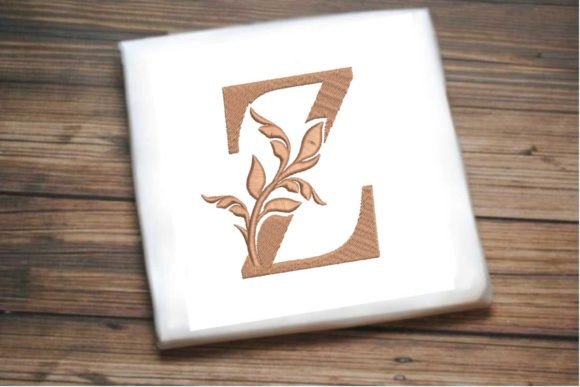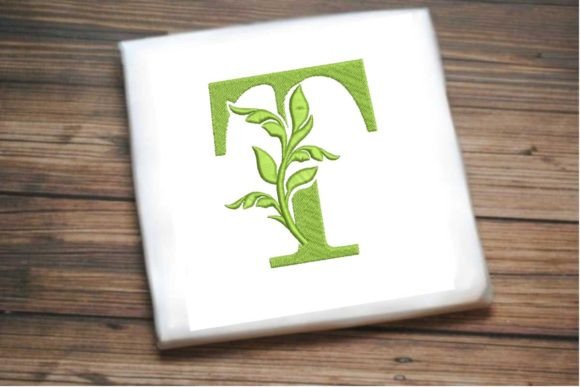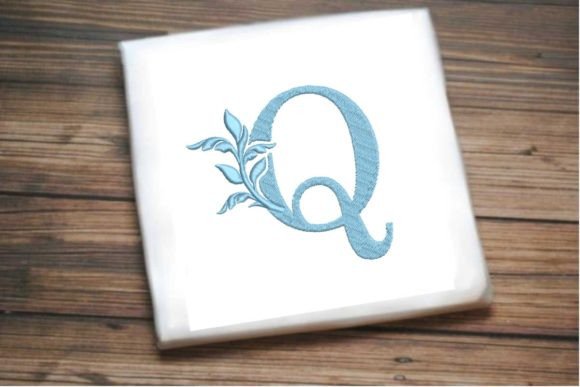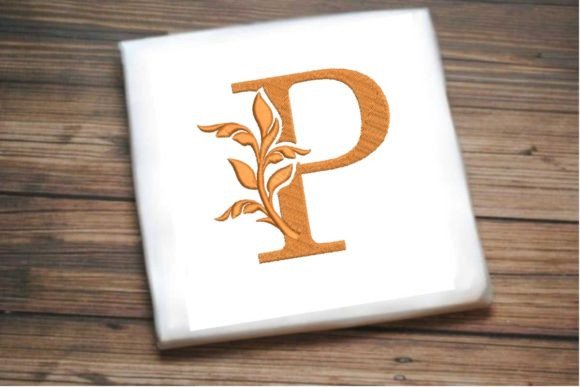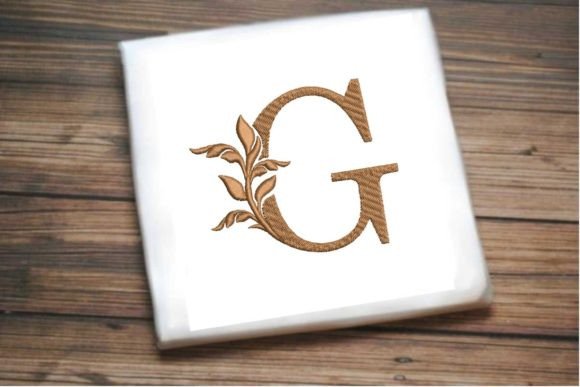
Letter G Beautiful Monogram Review
As an embroidery designer who spends weekends hunched over a table at craft fairs, I know that the difference between a sale and a missed opportunity often comes down to one thing: visual impact. When I look at a new machine embroidery design, I am not just looking at the stitches; I am looking at how it will perform in the real world. Will it catch the eye of a passerby? Will it photograph well for my online store? Is it practical to produce in bulk?
This is where the Letter G Beautiful Monogram enters the conversation. Based on its description as a high-quality, fun, and elegant design suitable for various fabrics, it presents an interesting case study for any Etsy seller or boutique maker looking to expand their inventory. In this review, I am putting on my booth manager hat to evaluate exactly where this embroidery file fits into a successful handmade business strategy.
First Impressions: The Visual Hook
The title "Letter G Beautiful Monogram" suggests a classic, perhaps slightly ornate aesthetic. When I imagine this design on a display table, I picture something that balances modern minimalism with traditional elegance. For a craft fair booth, you need designs that are readable from three feet away. A monogram must be bold enough to be recognized instantly but detailed enough to feel premium.
If this design leans into the "beautiful" aspect mentioned in the description, it likely features clean lines and sophisticated curves. This makes it incredibly versatile. It does not scream for attention like a novelty design might; instead, it whispers quality. This is crucial for attracting customers who are looking for gifts that feel personal and thoughtful rather than mass-produced. The promise of it looking "elegant and gorgeous" on any fabric means we can test it against a wide variety of textures without worrying about clashing aesthetics.
Product Application: Where Does It Shine?
To determine if this is a viable crafter fair product, we have to look at specific items. Let’s break down the potential based on common best-sellers in the handmade market.
Tote Bags and Market Totes
A tote bag design is often the bread and butter of the embroidery industry. Placing the Letter G Beautiful Monogram centrally on a canvas tote or off-center on a linen market bag creates an instant sense of ownership. Customers love personalized items because they feel unique. The contrast of thread colors against natural cotton or denim will highlight the design’s elegance. If the stitch density is appropriate, it will hold up to daily use, which is a key selling point for practical gifts.
Kitchen Linens: Aprons and Tea Towels
Apron embroidery and tea towel embroidery are staples for wedding seasons and housewarming gifts. A monogram adds a touch of sophistication to utilitarian items. Imagine a white apron with a dark navy or gold thread monogram. It photographs beautifully for online listings and looks stunning in person. However, you must consider the fabric texture. Tea towels can be rough or ribbed, which might obscure tiny details. Ensure the design has enough weight in its stitches to stand out against the weave of the fabric.
Caps and Patches
For headwear, the curvature of a cap changes how a design appears. A large, intricate monogram might distort on the front panel of a curved baseball cap. It is often better suited for a flat-brimmed hat or a structured cap. Alternatively, using this design as an embroidered patch allows for more flexibility. You can create patches to sell separately or attach them to beanies, bags, or jackets. Patches offer a lower price point entry for customers, making them impulse-buy friendly at a busy booth.
Pillow Covers and Home Decor
Home decor items like pillow covers allow for larger format displays. Here, the Letter G Beautiful Monogram can serve as a focal point. Because it is described as "fun and easy to stitch," it implies a level of simplicity that prevents it from looking cluttered when scaled up. This works well for nursery decor, guest room accents, or seasonal home styling.
Production Practicality and Sales Strategy
From a production standpoint, efficiency is money. A design that is "easy to stitch" reduces hooping time and minimizes errors. For a small shop owner, this means higher margins. If the design requires excessive trimming or complex color changes, it slows down your workflow. Assuming this design is streamlined, it allows for batch production—hoop multiple items, run the machine, and move to the next step quickly.
When it comes to marketing, particularly for digital sellers or those creating printable mockups, versatility is key. If this monogram works on light and dark fabrics, you can create diverse mockup images without needing to source different colored threads for every shot. This consistency helps build a strong brand identity across your Etsy listings and social media channels.
Critical Considerations for Quality Control
Before committing to a full production run, there are several technical checks every designer must perform. Ignoring these can lead to customer returns and negative reviews.
- Stitch Density: Check the stitch density carefully. If the design is too dense, it may pucker lightweight fabrics like voile or thin cotton. If it is too sparse, it may look skimpy on heavier materials like denim or terry cloth. Always inspect the underlay stitches to ensure the fabric lies flat.
- Hoop Size and Placement: Confirm the required hoop size. If the design is large, it limits the types of products you can embroider. Smaller hoops allow for more creative placements, such as near pockets or on cuffs.
- Thread Contrast: Test the design with various thread colors. A beautiful design can look muddy if the thread color clashes with the fabric. Dark fabrics require lighter threads, and vice versa. Pay special attention to how metallic or variegated threads interact with the monogram’s curves.
- Fabric Texture: As mentioned, textured fabrics like waffle-weave tea towels can hide detail. Run a test on the actual material you plan to sell. If the design loses clarity, simplify the placement or choose a smoother fabric.
- Stabilizer Selection: Using the right stabilizer is non-negotiable. Cut-away stabilizers are generally best for garments and items that will be washed frequently, while tear-away might suffice for一次性 decorative items like gift tags or patches.
Final Verdict for the Entrepreneurial Embroiderer
The Letter G Beautiful Monogram has the makings of a strong addition to a handmade product line. Its emphasis on elegance and ease of stitching aligns perfectly with what customers want: personalized items that look professional and last. Whether used for wedding monogram gifts, corporate branding, or everyday home decor, it offers a high perceived value relative to its production cost.
For the craft fair seller, this design provides a reliable crowd-pleaser. It is simple enough to produce quickly but elegant enough to command a premium price. Just remember to test thoroughly, check your commercial licensing agreements, and always present your finished product in the best possible light. By focusing on quality control and strategic placement, you can turn this single design asset into a consistent revenue stream for your boutique or online shop.
In the competitive world of handmade goods, standing out requires both creativity and discipline. This monogram offers the creative hook; your execution provides the discipline. Treat it with care, test it rigorously, and watch it become a staple in your collection of commercial embroidery successes.