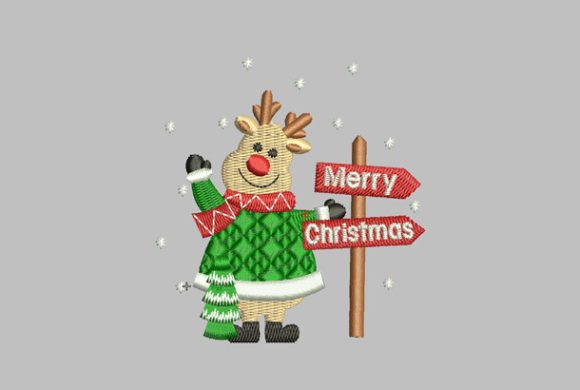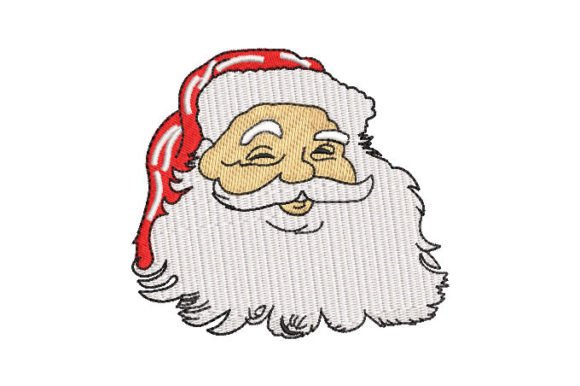
Santa Claus with Sign at Christmas
As an embroidery designer who spends hours scrutinizing stitch paths and density maps, I approach every new digital asset with a mix of creative excitement and commercial skepticism. When evaluating designs for small business merchandise, branded patches, and uniform accents, the goal is never just "pretty." The goal is scalability, durability, and brand alignment. Today, I am reviewing the Santa Claus with Sign at Christmas machine embroidery design to determine its viability for professional use in retail, hospitality, and handmade product lines.
First Impressions: Visual Personality and Brand Fit
The title Santa Claus with Sign at Christmas immediately suggests a narrative element. Unlike standard silhouette designs that rely on abstract shapes, this piece likely features a character interacting with text or a prop. From a design perspective, this offers a unique opportunity for brands that want to convey a message beyond their logo. It feels playful yet classic, striking a balance between festive cheer and professional polish.
For a boutique bakery, a local florist, or a holiday pop-up shop, this design can serve as more than just decoration; it acts as a visual anchor. The presence of a sign within the artwork allows for potential customization or thematic reinforcement, making it highly adaptable for seasonal marketing campaigns. However, the success of this embroidery file hinges on how well the details are rendered. If the sign’s text is too intricate, it may lose legibility when scaled down, which is a critical consideration for our target audience of Etsy sellers and merch creators.
Real-World Business Applications
In my experience, the true test of a design is how it performs on actual products. Here is how Santa Claus with Sign at Christmas translates across various commercial applications:
- Embroidered Patches: This design has strong potential for iron-on or sew-on patches. These are increasingly popular as branding tools for craft fairs, festival booths, and limited-edition drops. The distinct shape allows for clean cutting and finishing, creating a premium look that elevates small business merch.
- Apron Embroidery: For cafes, bakeries, and cooking classes, placing this design on the chest pocket or upper bib of a white apron adds a touch of personality without overwhelming the staff’s professional appearance. It signals warmth and approachability to customers.
- Cap Embroidery: A structured cap featuring this motif can be a hit for holiday events or team-building activities. However, the curvature of the cap front requires careful digitizing to ensure the sign remains readable and does not distort along the seam line.
- Tote Bag Design: Canvas totes are a staple for handmade brands. This design works beautifully as a central focal point on a tote bag, appealing to shoppers looking for reusable, festive gift bags. It reinforces brand identity while providing practical value.
- Custom Apparel: Whether applied to sweatshirts, hoodies, or work shirts, this design adds a layer of handmade product authenticity. It moves away from generic print-on-demand aesthetics and towards a more curated, artisanal feel.
Strategic Placement and Cautionary Zones
Not every placement is created equal. As we integrate Santa Claus with Sign at Christmas into our production workflow, we must be mindful of technical limitations. Small patch sizes pose a significant risk. If the design is reduced below one inch in height, fine details—especially any text on the sign—will merge into a blur. In such cases, the design loses its impact and may appear unprofessional.
Similarly, high stitch density can become problematic on delicate fabrics. If the underlying fabric texture is loose or stretchy, the tension required for a dense Santa figure might cause puckering. This is particularly relevant for apron embroidery on thin cotton blends or lightweight polyester blends used in custom apparel. Always test on scrap pieces of the final material to assess stability.
Curved surfaces like the front of a baseball cap require specialized hooping techniques. If the digitizer did not account for curve compensation, the circular elements of Santa’s hat or face may appear oval or distorted. Furthermore, dark uniforms present a contrast challenge. Ensure that the thread colors chosen provide sufficient luminance against the base fabric to maintain visibility and visual consistency.
Impact on Brand Identity and Customer Trust
Quality embroidery communicates attention to detail. When a customer sees a crisp, well-executed embroidered patch or a neatly stitched logo on a tote bag design, they perceive higher product value. This design, if executed correctly, enhances brand identity by associating the business with tradition, joy, and craftsmanship.
It fosters customer trust because handmade or custom-branded items often feel more personal than mass-produced goods. For Etsy branding and independent creators, this distinction is vital. A well-placed Santa Claus with Sign at Christmas motif can increase buyer engagement by sparking conversations and social media shares, turning customers into brand advocates.
Practical Designer Notes for Production
Before committing to bulk production, follow these essential steps to ensure the best outcome:
- Black and White Test: View the design in grayscale first. This helps identify contrast issues and ensures the composition holds up without relying on color alone.
- Scale Check: Preview the design at its intended final size. Does it look balanced? Are there empty spaces that feel awkward? Adjust scaling before digitizing.
- Thread Color Contrast: Select thread colors that pop against your target fabric. Avoid low-contrast combinations that fade into the background.
- Spacing Inspection: Review the spacing between stitches and elements. Tight spacing can lead to needle breaks; loose spacing can result in a weak, flimsy finish.
- Hoop Size Confirmation: Verify that the hoop size accommodates the entire design without requiring re-hooping, which can misalign subsequent elements.
- Real Fabric Testing: Never skip the physical test. Stitch the design on the exact fabric you plan to use. Observe how the fabric texture interacts with the threads.
- Stabilizer Selection: Choose the appropriate stabilizer (cut-away, tear-away, or wash-away) based on the garment type and fabric weight to prevent distortion.
- Mockup Creation: Create a printable mockup for client approval. This allows stakeholders to visualize the final product before expensive materials are consumed.
- Commercial Licensing: Most importantly, confirm commercial licensing terms. Ensure you have the right to sell products featuring this digital embroidery file to avoid legal complications.
By treating Santa Claus with Sign at Christmas as a strategic business asset rather than just a decorative graphic, you can leverage its charm to enhance your product line. With careful planning and technical precision, this design can become a standout feature in your holiday collection, driving sales and strengthening your brand’s festive appeal.