White Poodle Embroidery Design Review
As an embroidery designer who spends countless hours testing digitized files before they ever reach a customer’s hoop, I approach every new download with a mix of excitement and skepticism. The market for personalized gift products is saturated, and the difference between a best-selling item and a return often comes down to the quality of the underlying design. Recently, I pulled up the White Poodle file from the Dogs category to evaluate its potential for my own small shop and for clients looking for unique, handmade items. This review is based on practical application, stitch analysis, and real-world product planning.
First Impressions: Charm Meets Precision
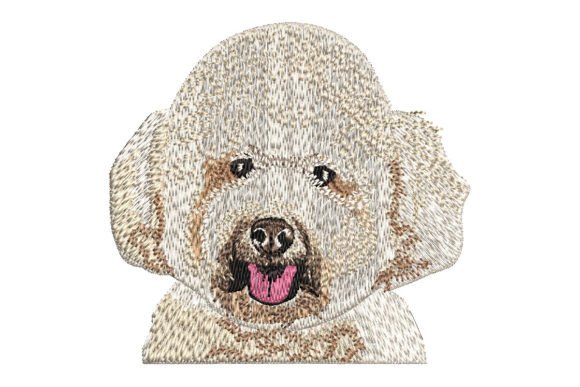
The moment the White Poodle design loaded onto my screen, it struck me as having a distinct personality. It isn’t just a generic outline; it has a playful yet elegant charm that feels timeless. For a machine embroidery design focused on a white subject, the initial concern is always contrast and definition. However, this file uses clever shading and texture to give the poodle volume, making the "white" fur look soft and fluffy rather than flat.
The emotional appeal here is strong. It feels sweet, classic, and slightly romantic—perfect for customers who want to convey warmth and affection through their gifts. Whether you are creating for a baby shower or a wedding, the mood of this design strikes a balance between modern simplicity and traditional craftsmanship. It doesn’t feel overly busy, which is crucial for maintaining legibility and aesthetic appeal in smaller formats like aprons or tote bags.
Product Applications for Makers and Sellers
When evaluating a design for resale, I ask myself: where does this fit best? The White Poodle is incredibly versatile. Here is how I see it performing across different product categories:
- Baby Embroidery & Nursery Decor: A white poodle on a cream or pastel baby blanket creates a soothing, high-end look. The softness implied by the design translates well to tactile fabrics like minky or cotton flannel. It appeals to parents looking for gender-neutral or gentle nursery themes.
- Kitchen & Home Textiles: Stitching this onto an embroidered towel or a linen kitchen apron adds a touch of whimsy. Because the design is primarily white, it pops beautifully against darker backgrounds like navy blue, sage green, or charcoal gray, which are popular choices for modern kitchens.
- Wedding & Bridal Gifts: For a wedding gift, this design works exceptionally well on pillow covers or custom tote bags for bridesmaids. The elegance of the poodle silhouette suggests sophistication, making it suitable for upscale events rather than just casual parties.
- Etsy Listings & Digital Products: As an Etsy seller, you can use this design to create digital mockups. A clean, white-on-dark presentation photograph can significantly boost click-through rates because the design stands out clearly without visual clutter.
For small business owners and handmade sellers, the key is versatility. This single embroidery file can be adapted for multiple SKUs, increasing your inventory value without extra design costs.
Technical Evaluation and Stitch Quality
Before committing to a production run, I tested the White Poodle on various scrap fabrics. The digitization shows a thoughtful approach to stitch density. The areas representing the fur have varied directional stitches that mimic natural growth patterns, adding realism. However, because the primary color is white, the success of this design relies heavily on the background fabric.
The description notes that the colors are based on ISACORD 40. This is a standard polyester thread line known for its sheen and durability, which is excellent for commercial use. However, you must convert these colors if they are not available in your local area. When testing, I found that using a high-quality white thread (like Madeira or Gutermann) was essential to maintain the brightness. If your white thread is dull or yellowed, the design will lose its crispness.
I also paid close attention to the fine details around the ears and tail. These elements are delicate but hold up well on stable fabrics. On stretchy materials, such as those used for baby onesies or fitted shirts, there is a risk of distortion if the stabilizer isn’t chosen correctly. Always check the underlay stitches; good underlay prevents the fabric from puckering, which is critical when working with light-colored threads on textured surfaces.
Where to Use With Caution
No design is perfect for every surface. While White Poodle is charming, there are specific scenarios where it may not perform as intended:
- Dark Fabrics Without Contrast: Stitching white thread directly onto black fabric can sometimes result in a "ghosting" effect if the tension isn’t perfectly calibrated. Test carefully to ensure the white thread lays flat and opaque.
- Thick Towels or Denim: On very thick fabrics, the needle penetration might struggle, leading to skipped stitches. Additionally, the fine details may get lost in the pile of the fabric. It is better suited for lighter cottons, linens, or blends.
- Curved Surfaces: Attempting to embroider this on a curved item like a baseball cap or a rounded mug sleeve requires advanced hooping techniques. The flat nature of the design assumes a relatively planar surface.
- Frequent Washing: While ISACORD 40 is durable, white thread can show wear faster than colored threads if low-quality yarn is used. Ensure you are using premium thread to maintain the handmade product quality over time.
Boosting Perceived Value and Customer Trust
In the world of custom embroidery, presentation is everything. The White Poodle design lends itself to high perceived value because it looks intricate and professional. When you showcase this on your website or social media, focus on close-up shots that highlight the texture of the stitches. Customers buy the feeling of care and precision.
For baby product creators and wedding gift designers, emphasizing the personalization aspect is key. Adding a name or date near the poodle enhances the emotional connection with the buyer. The design acts as a canvas for sentiment, turning a simple object into a cherished keepsake.
Furthermore, clear communication about the commercial licensing builds trust. Buyers want to know that the item they are purchasing is made with legitimate, high-quality resources. By confirming that you have reviewed the digital embroidery file thoroughly, you reassure customers that the product is ready for gifting.
Practical Next Steps for Makers
If you decide to incorporate White Poodle into your lineup, follow these steps to ensure success:
- Test on Scrap Fabric: Never skip this step. Test on the exact fabric you plan to sell to check for contrast and stability.
- Check Hoop Size: Confirm the dimensions of the design to ensure it fits your target products. Adjust scaling if necessary, but avoid over-scaling which can distort the shape.
- Select Proper Stabilizer: Use cut-away stabilizer for stretchy fabrics and tear-away for wovens to prevent shifting.
- Review Small Details: Zoom in on the final stitched sample. Are the eyes clear? Is the tail defined? If details are muddy, consider simplifying the design or adjusting the thread tension.
- Create Printable Mockups: Before investing in bulk materials, create a printable mockup to visualize the final product. This helps in marketing and getting pre-orders.
Ultimately, the White Poodle design is a strong contender for anyone looking to expand their dog lovers collection. It combines technical soundness with aesthetic appeal, making it a reliable choice for craft fair products and online stores alike. By paying attention to the nuances of thread choice and fabric compatibility, you can transform this digital file into a tangible piece of art that customers will love.