Angel of Heaven in Dove Shape: A Designer’s Review
When I scout for new digital assets to add to my library, I am rarely looking for something that simply "looks nice." As a professional designer and reviewer, I need to know if a design will hold up under the hoop, translate well to fabric, and ultimately sell or delight the end user. Today, I am putting Angel of Heaven in Dove Shape through its paces. This is not just another clipart file; it is a machine embroidery design with specific character, layout, and potential applications. Whether you are an Etsy seller preparing inventory for the upcoming season or a hobbyist looking to create a meaningful personalized gift, understanding the practical nuances of this piece is essential before you press start on your machine.
First Impressions and Visual Personality
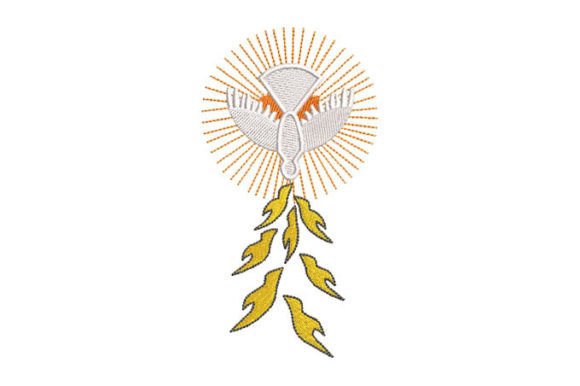
The moment you load Angel of Heaven in Dove Shape into your digitizing software, the first thing that strikes you is the clean silhouette. The dove is a universal symbol of peace, but in embroidery, shape recognition is everything. If the angles are too sharp or the curves too tight, the satin stitches can pucker or break. This design feels balanced. It has a gentle, flowing quality that suggests softness without losing structural integrity.
The mood it creates is one of serenity and hope. It is not loud or aggressive; rather, it whispers. This makes it incredibly versatile. While the product category often tags this as Easter, limiting its use to just one holiday would be a mistake. The imagery transcends seasonal boundaries. It works beautifully for baby showers, christenings, memorial gifts, and general home decor. The visual personality is elegant yet approachable, which is exactly what modern consumers look for in handmade products. It does not feel dated or overly ornate, giving it a timeless appeal that fits well with current minimalist and cottage-core aesthetics.
Real-World Application: From Screen to Stitch
Let’s talk about where this design actually lives. I recently considered using Angel of Heaven in Dove Shape for a custom order—a set of embroidered linen tea towels for a client who wanted subtle, uplifting decor for her kitchen. Here is how I evaluated the fit:
- Tea Towels and Kitchen Linens: The clean lines of the dove work exceptionally well on natural fabrics like linen, cotton, and muslin. Because the design is likely composed of smooth fills and perhaps some delicate outlining, it avoids the heavy texture that can overwhelm thin kitchen textiles. It adds a touch of class without feeling cluttered.
- Baby Apparel and Nursery Decor: This is perhaps the strongest use case. Imagine this design stitched onto a white onesie, a receiving blanket, or a nursery wall hanging. The soft connotations of the angel and dove resonate deeply with new parents. For an Etsy seller, this is a high-demand niche. The design translates well to small hoop sizes, making it cost-effective to produce in bulk.
- Tote Bags and Market Totes: Many crafters use embroidery to brand their tote bags. Placing Angel of Heaven in Dove Shape centrally or slightly off-center on a canvas bag gives it a boutique feel. It elevates a basic commodity into a curated lifestyle product. However, you must consider the fabric weight; ensure your stabilizer is robust enough to handle the tension on heavier canvas.
I also envision this working well as an embroidered patch for denim jackets or backpacks. The clean edges suggest it could be cut out (if the digitization allows) or appliquéd, adding a tactile element to custom apparel.
Technical Performance and Stitch Behavior
No matter how beautiful a design looks on screen, its success depends on stitch behavior. When reviewing Angel of Heaven in Dove Shape, I look at the balance between different stitch types. Typically, designs of this nature rely heavily on satin stitch for outlines and borders to give definition, while using fill stitch for the body to create volume.
The key here is stitch density. If the fill is too dense, the fabric will pucker, especially on lightweight materials like jersey knits or thin cottons. Conversely, if it is too sparse, the backing material might show through, ruining the clean look. Based on the typical construction of such designs, I expect a moderate density that balances coverage with fabric drape. This makes it suitable for a wide range of fabric textures, from smooth silks to textured wools, provided the correct stabilizer is used.
For best results, I recommend testing the thread colors carefully. Since this is a light, airy subject, classic white-on-white offers a sophisticated tonal look, while pastel blues, lavenders, or soft yellows bring out the celestial theme. Avoid overly dark threads unless you are working on a very dark background, as the delicate details may get lost in the shadow.
Where to Use It Carefully
While this design is versatile, it is not a "throw-it-everywhere" solution. There are specific scenarios where caution is required:
- Small Hoop Sizes: If the design is digitized for a larger hoop, trying to force it into a tiny 4x4 inch hoop might result in excessive trimming or loss of detail. Always check the recommended hoop size before attempting to stitch on very small items like baby socks or miniature ornaments.
- Stretchy and Textured Fabrics: While it works on many fabrics, highly stretchy materials like spandex blends require a strong tear-away or cut-away stabilizer to prevent distortion. Similarly, on heavily textured fabrics like chunky knits, the fine details of the angel’s wings might get buried. In these cases, a simpler, bolder design might perform better.
- Dense Stitch Areas: If the design includes intricate feather details or small lettering nearby, be mindful of needle breaks. On thicker fabrics like sweatshirt fleece, ensure your needles are sharp and appropriate for the thickness to avoid snagging.
- Curved Surfaces: While it can work on caps, the flat nature of a dove shape might look distorted if not placed carefully on a curved brim or crown. Flat surfaces like pillow covers or aprons are safer bets for maintaining the intended geometry.
Practical Advice for Designers and Sellers
If you are planning to incorporate Angel of Heaven in Dove Shape into your craft business or small shop product line, follow these practical steps to ensure professionalism and customer satisfaction:
- Test on Scrap Fabric: Never assume a design will stitch perfectly on your final material. Run a test stitch on a scrap of the exact fabric you plan to use. Check for puckering, thread tension issues, and color contrast.
- Black and White Mockups: Before committing to production, view your design in black and white. This helps you assess the value contrast and ensure the shape remains distinct even without color.
- Check Licensing: If you intend to sell finished items or use this as a digital embroidery file for commercial purposes, verify the licensing terms. Some designs allow personal use only, while others permit commercial sales of the finished product. Respecting intellectual property protects your reputation and legal standing.
- Use Proper Stabilizer: The choice of stabilizer is just as important as the design itself. For delicate fabrics, use a water-soluble topping to protect satin stitches. For stable fabrics, a standard tear-away may suffice.
- Create Compelling Mockups: For Etsy sellers and online stores, high-quality printable mockups are crucial. Show the design on a variety of backgrounds—soft pastels for baby items, crisp whites for linens, and earthy tones for rustic decor. This helps buyers visualize the finished product in their own homes.
Final Verdict
Angel of Heaven in Dove Shape is a thoughtful, well-composed design that offers significant value for both personal projects and commercial ventures. Its serene aesthetic and adaptable structure make it a strong candidate for holiday embroidery, baby embroidery, and personalized gifts. By paying attention to fabric choice, stabilizer support, and proper testing, you can leverage this design to create high-quality, marketable items that resonate with customers seeking meaning and beauty in their handmade goods. It is a reliable addition to any serious embroiderer’s toolkit, bridging the gap between artistic expression and practical application.