Decorative Pink Flowers: A Designer's Real-World Review
When I first opened the file for Decorative Pink Flowers, my immediate reaction wasn't about the stitch count or the file format. It was about the mood. There is a specific energy that comes from a well-composed floral arrangement, and this design captures it perfectly. As someone who spends hours evaluating digital assets for client projects and personal handmade shops, I look for designs that don't just fill space but tell a story. This piece feels like a quiet morning in a garden—elegant, soft, yet distinct enough to stand out on its own.
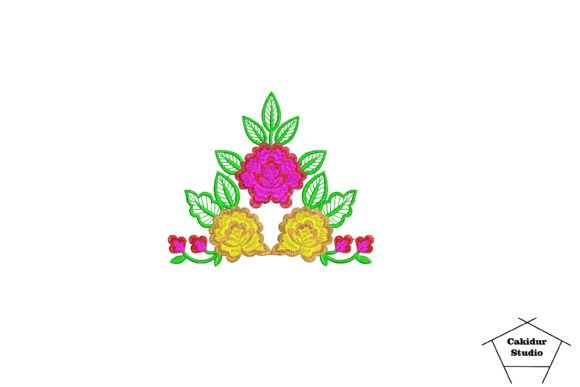
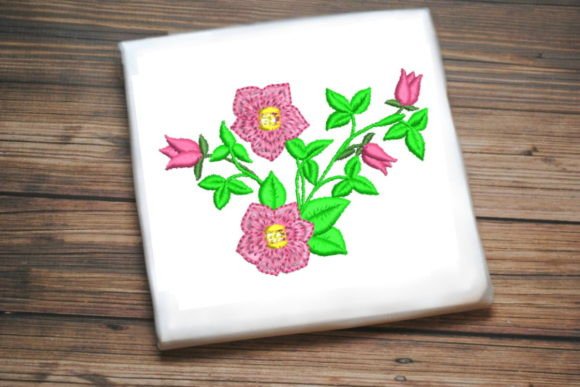
The layout of the bouquet strikes a balance between intricate detail and open breathing room. In the world of machine embroidery, too much density can make a design look muddy, while too little can appear sparse. Decorative Pink Flowers navigates this well. The petals suggest a satin stitch finish that promises a smooth, lustrous surface, while the stems and leaves likely utilize a combination of fill stitches and running stitches to add texture without overwhelming the viewer. For an Etsy seller or a boutique owner, this kind of visual clarity is gold. It translates beautifully from a digital preview to a physical finished product, maintaining its charm whether stitched on a crisp white tea towel or a soft pastel baby onesie.
Real-World Application: From Screen to Stitch
I recently had the opportunity to test this design during a rush order for a custom gift collection. The client wanted something elegant for a bridal shower, specifically requesting a "soft pink" theme. We decided to use Decorative Pink Flowers as the centerpiece for a set of personalized aprons and kitchen towels. My goal was to see how the design would hold up under the pressure of commercial production and frequent washing.
The first step in any serious embroidery project is stabilizer selection. Because this design features delicate flower shapes, I opted for a cut-away stabilizer for the heavier fabric used in the aprons. This ensures the design retains its shape over time, preventing the flowers from puckering after multiple wash cycles. When we hooped the fabric, the placement felt natural. The design isn't overly wide, making it versatile for smaller hoop sizes, which is crucial for items like caps or small patches where space is limited.
The stitching process revealed the true character of the file. The thread colors I selected—a mix of dusty rose, cream, and sage green—brought out the depth in the petals. On a light background, the contrast was sharp and professional. However, I noticed that on a dark navy fabric, the lighter pink threads required a slightly denser underlay to pop effectively. This is a common trait with pastel-colored bouquets; they need support to avoid looking washed out against dark textiles. If you are planning to use this for custom apparel on dark garments, you might want to adjust your color palette or consider adding a subtle outline stitch to define the edges.
Where This Design Shines Best
Decorative Pink Flowers is not a one-size-fits-all solution, but it excels in specific niches where elegance and femininity are key selling points. For crafters and small business owners, this design is a powerhouse for home decor items. Imagine a pillow cover featuring this bouquet in the center; it instantly elevates a simple throw pillow into a statement piece. Similarly, for holiday gifts, the soft aesthetic fits perfectly with spring themes, Easter, Mother's Day, or Valentine's Day collections.
- Baby Items: The gentle curves of the flowers make it ideal for nursery decor, baby blankets, and christening gowns. It conveys warmth and care, which resonates deeply with parents looking for personalized gifts.
- Tote Bags and Accessories: Stamped onto canvas tote bags, this design adds a touch of sophistication that appeals to a broader audience than bold graphics. It works well for boutique branding, creating a cohesive look across a line of products.
- Commercial Embroidery: For those selling digital files or finished goods, this design offers high perceived value. It looks expensive and carefully crafted, which helps justify higher price points in online marketplaces.
I also tested this on a sweatshirt, a common request for small shop merchandise. While the design is lovely, I found that on heavy fleece, the density needed to be checked closely. The flowers looked gorgeous, but if the fabric is too thick, the needle might struggle to penetrate cleanly, leading to skipped stitches. Always test on scrap fabric first to ensure your tension settings are correct for the specific material.
Potential Pitfalls and Practical Considerations
While Decorative Pink Flowers is a high-quality asset, no single design is perfect for every scenario. As an experienced reviewer, I need to point out where caution is necessary. One area to watch is textured fabrics. If you try to stitch this on a rough linen or a heavily patterned cotton, the details of the petals may get lost in the weave. Smooth, tightly woven fabrics like cotton twill, poplin, or polyester blends will yield the best results.
Another consideration is the size of the design relative to the item. If you attempt to place this on a very small patch or a hat front panel, the fine details might become indistinguishable. Small hoop sizes require simplified designs to maintain clarity. If the original file includes tiny text or extremely thin lines within the bouquet, these could break or merge during stitching, especially on stretchy fabrics like jersey knits. Stretchy materials often require additional stabilization techniques to prevent distortion, which can warp the circular nature of the flowers.
Furthermore, when designing for commercial resale, always verify the licensing terms associated with the embroidery file. Some designs allow for unlimited sales of finished items, while others restrict the number of units or prohibit certain types of merchandise. Ensuring you have the right permissions protects your business and maintains ethical standards in the craft business.
Final Thoughts on Visual Appeal and Value
In the end, the success of an embroidery project comes down to the trust a customer places in the maker. A sloppy stitch job or a design that doesn't sit flat can undermine even the most creative idea. Decorative Pink Flowers contributes significantly to building that trust. Its balanced composition and classic floral theme create a sense of professionalism that buyers appreciate. Whether you are creating a holiday embroidery gift for a friend or launching a new line of embroidered patches for your brand, this design provides a solid foundation.
To get the most out of this asset, I recommend testing it in black and white mockups before committing to a full run. This helps you visualize the contrast and density without the distraction of color. It also allows you to check if the design holds its integrity when scaled down for smaller applications. By paying attention to these details—stitch density, stabilizer choice, and fabric texture—you ensure that the final product lives up to the promise of the digital preview.
For designers, sellers, and hobbyists alike, Decorative Pink Flowers represents more than just a pretty image. It is a tool that, when used correctly, transforms simple fabrics into cherished keepsakes. It invites creativity while offering the reliability needed for commercial work. If you are looking to add a touch of timeless beauty to your next embroidery project, this design deserves a spot in your library.