Krishna Embroidery Design Review
As an embroidery designer who spends hours tweaking stitch paths and testing thread combinations, I approach every new file with a mix of curiosity and skepticism. When I first downloaded the Krishna machine embroidery design, I wasn’t just looking at a graphic; I was visualizing it on fabric. My goal was to determine if this digital asset could truly elevate a personalized gift product for my small business or if it would remain a niche novelty. After running several tests and simulating various end-use scenarios, here is my honest review of how Krishna performs as a centerpiece for handmade products.
First Impressions: Mood and Artistic Appeal
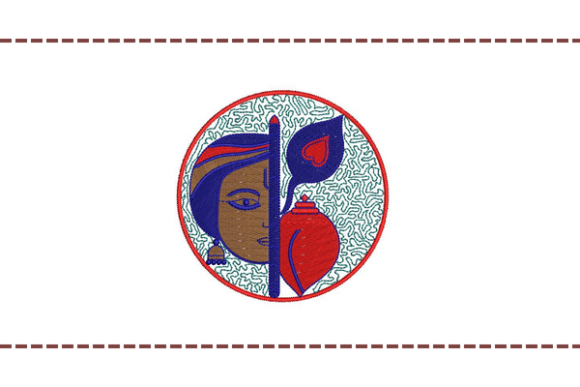
The immediate feeling when you look at the Krishna design is one of warmth and spiritual tranquility. It does not scream for attention with loud, chaotic elements; instead, it offers a cozy and artistic feel that translates beautifully into physical form. The charm lies in its balance—it feels both classic and modern enough to appeal to a wide demographic. For a gift shop owner, this is crucial. You want a design that feels sweet and elegant without being overly religious to the point of exclusion, yet meaningful enough to resonate with those seeking faith-based gifts.
In terms of detail level, the design strikes a thoughtful balance. It avoids the trap of becoming muddy when stitched down, which is a common issue with intricate religious iconography. The lines are clean, and the negative space allows the fabric texture to breathe. This makes it particularly effective for items where the viewer will be close, such as a baby blanket or a kitchen towel. It evokes a sense of handmade quality that customers associate with high-value artisanal work.
Ideal Applications for Personalized Gifts
When planning my inventory, I always ask: "Where does this design shine?" Krishna is versatile, but it has specific strengths that make it perfect for certain categories of personalized gifts.
- Baby Embroidery and Nursery Decor: This is perhaps the strongest use case. Krishna’s gentle aesthetic fits perfectly within nursery themes. Imagine a soft cotton muslin swaddle or a plush crib sheet featuring this design. It serves as a meaningful keepsake for parents who appreciate spiritual symbolism. The design’s scale works well for the chest area of baby onesies or the corner of a receiving blanket.
- Wedding Keepsakes and Bridal Gifts: For couples who value tradition, Krishna can serve as a unique element in wedding favors. Think of embroidered handkerchiefs, monogrammed robes, or decorative pillows for the newlyweds’ home. It adds a layer of depth and blessing to the gift, moving beyond generic "just married" sentiments.
- Home Decor and Textiles: The design excels on larger canvas items. A pillow cover made from linen or velvet can showcase the artistry of the file. Similarly, an embroidered towel in a bathroom or kitchen setting benefits from the calming visual. It transforms a utilitarian object into a piece of decor.
- Etsy Seller Listings and Digital Products: If you are a digital seller offering printable mockups, this design provides excellent visual variety. It appeals to the "cottagecore" and spiritual wellness trends currently dominating online marketplaces. Small shop owners can bundle this with complementary designs to create curated collections.
Custom Order Previews and Customer Trust
From a business perspective, using Krishna enhances perceived value. Customers are often willing to pay a premium for items that feel deeply personal and spiritually significant. When you present a finished product photo of Krishna on a high-quality fabric, it builds customer trust by demonstrating your ability to handle detailed, meaningful artwork. It signals that your brand cares about the emotional connection behind the purchase, not just the transaction.
Strategic Considerations and Fabric Limitations
While Krishna is a beautiful design, no embroidery file is universal. As an experienced maker, I must highlight areas where caution is required to ensure the final product meets professional standards.
- Small Lettering and Delicate Details: Always inspect the smallest elements of the Krishna design. If the file includes fine script or tiny floral accents, test them carefully. On textured fabrics like bouclé or thick terry cloth towels, these details may disappear or pucker. Avoid using this design on stretchy baby clothes unless you use a heavy-duty stabilizer and test for distortion.
- Dark Fabrics and Contrast: The design relies on thread color contrast to pop. On dark fabrics, you will need to use a dense underlay or a light-colored backing to prevent shadowing. Without proper preparation, the colors may look dull rather than vibrant. Always compare light and dark fabric mockups before committing to a production run.
- Curved Surfaces: Be cautious when embroidering on curved items like tote bag handles or apron straps. Flat surfaces like pillow covers and bedsheets are safer bets for maintaining the integrity of the design’s shape.
- Frequent Washing: For items like kitchen towels or baby blankets that undergo frequent washing, stitch density becomes critical. Ensure the design is anchored well to prevent fraying over time. Check the stitch density in your software to avoid excessive bulk, which can cause stiffness in the fabric.
Practical Embroidery Notes for Makers
To get the best results from the Krishna embroidery file, follow these practical steps during your production process:
- Test on Scrap Fabric: Never go straight to the final product. Run the design on a scrap of the exact fabric you plan to use. This helps you assess how the material reacts to the needle and thread.
- Check Thread Color Contrast: Select thread colors that complement the mood of Krishna. Soft pastels might enhance the baby-oriented appeal, while gold or deep blue threads could add elegance for wedding gifts. Experiment with different thread types, such as rayon for sheen or polyester for durability.
- Confirm Hoop Size: Verify that your hoop size accommodates the design dimensions comfortably. Leaving adequate margin around the edges prevents accidental trimming and ensures smooth stitching.
- Use Proper Stabilizer: The choice of stabilizer (cut-away vs. tear-away) depends heavily on the fabric type. For delicate baby fabrics, a cut-away stabilizer provides long-term support. For stable home decor items, a tear-away might suffice.
- Review Stitch Density: High stitch density can make a garment stiff. If the Krishna design is too dense for a lightweight shirt, consider reducing the density slightly in your embroidery software, provided it doesn’t compromise the visual clarity.
- Commercial Licensing: Before selling finished products, confirm the commercial licensing terms of the digital embroidery file. Ensure you have the right to sell items made with this design, especially if you are operating a large-scale Etsy shop or retail store.
Final Thoughts on Giftability
Ultimately, the success of a personalized gift lies in its ability to evoke emotion. Krishna achieves this through its serene presence and artistic execution. It is not just a decoration; it is a statement of care and intention. For makers, sellers, and crafters, incorporating this design into your portfolio can open doors to a niche market that values spirituality, craftsmanship, and meaningful gifting.
Whether you are creating custom embroidery for a local client or listing digital files for global download, Krishna offers a reliable, charming, and emotionally resonant option. By paying attention to fabric choices, stitch quality, and proper stabilization, you can transform this digital design into a treasured physical heirloom. Take the time to test, refine, and present it with pride, and you will likely find that it becomes a staple in your collection of handmade products.