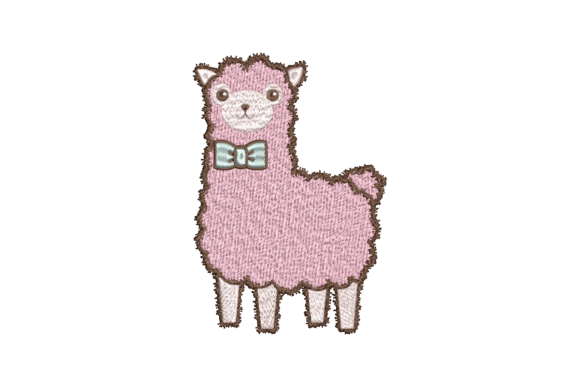
Llama Embroidery Design Review
As an experienced embroidery designer who has spent years refining designs for commercial use, I approach every new file with a critical eye. When evaluating the Llama design from the Baby Animals category, my focus shifts immediately from simple aesthetics to practical application. This is not just about creating a cute image; it is about understanding how this digital asset will perform on actual merchandise, branded patches, and small business product lines. The description provided states that this is The perfect way to decorate your beautiful embroidery projects, but in the world of commercial production, "perfect" requires rigorous testing. Any alteration on the file s may affect the output, a warning that cannot be overstated when dealing with client orders or high-volume runs.
First Impressions: Personality and Brand Fit
Upon reviewing the Llama design, the first impression is one of playful charm mixed with rustic elegance. In the context of branding, this design feels approachable yet professional enough for a variety of industries. It strikes a balance that works exceptionally well for boutique shops, creative studios, bakeries, and pet brands. The visual personality suggests a brand that values creativity, community, and a touch of whimsy without sacrificing quality.
For small business owners looking to establish a unique identity, this design offers a distinct alternative to generic logos. Whether you are running a local café, a handmade soap shop, or a florist studio, the Llama motif can serve as a memorable anchor for your visual language. It evokes a sense of warmth and friendliness, which is crucial for customer engagement. However, the success of this design relies heavily on how it is executed. The description reminds us to always run a sample of the file s on the test fabric before stitching on, a step that ensures the final product matches the intended brand value.
Real-World Application for Small Business Merch
The versatility of the Llama machine embroidery design makes it a strong candidate for numerous commercial applications. For apparel decorators and custom apparel specialists, this piece shines as a chest logo accent or a sleeve detail. Imagine a staff uniform for a coffee shop featuring a subtle Llama on the apron pocket, or perhaps a larger embroidered patch on the back of a work shirt. These placements transform standard uniforms into branded assets that employees take pride in wearing.
Cap embroidery is another area where this design excels. A small, well-placed Llama on the front of a trucker hat or a structured cap creates a trendy, casual look that appeals to younger demographics and lifestyle consumers. Similarly, for tote bag design enthusiasts, this file offers a charming focal point that elevates a basic canvas bag into a premium promotional item. Customers love carrying bags that feature unique, handcrafted details, making the Llama an excellent choice for event merch or trade show giveaways.
In the realm of product packaging and branded product add-ons, the Llama can function as a decorative element on hang tags or woven labels. For Etsy sellers and craft business assets creators, adding this touch to handmade products adds perceived value. It signals to the buyer that attention was paid to the details, fostering trust and encouraging repeat purchases. Whether used as a standalone design or integrated into a larger collection of design assets, the Llama contributes significantly to a cohesive brand narrative.
Strategic Considerations and Potential Pitfalls
While the potential is high, there are specific scenarios where the Llama design requires careful evaluation. One primary concern is small patch sizes. If the design is scaled down too much for a tiny label or a miniature badge, intricate details may become muddy or lost entirely. Embroidery relies on thread thickness and stitch density to create images, and reducing the size too aggressively can compromise the integrity of the Llama.
Curved surfaces, such as the front of a baseball cap, present another challenge. While many caps accommodate embroidery well, the curvature can distort the spacing if the digitization is not optimized for the curve. High stitch density is also a factor to consider. If the design features detailed outlines or heavy fill areas, it may create a stiff feel on delicate fabrics like light cotton tees or sheer materials. On dark uniforms, the thread colors must be selected carefully to ensure contrast and visibility. Furthermore, items that need frequent washing, such as chef aprons or heavy-duty work shirts, require robust stabilization and high-quality thread to prevent the design from pilling or fading over time.
Impact on Brand Identity and Customer Trust
Quality embroidery directly influences brand identity and customer perception. A sloppy stitch job or a design that looks distorted can undermine the professionalism of a business. Conversely, a crisp, well-executed Llama design communicates competence and care. When customers see a finished product that looks polished, they are more likely to associate those qualities with the brand itself. This visual consistency is vital for building recognition in a crowded market.
For handmade product creators, the tactile nature of embroidery adds a layer of authenticity that mass-produced graphics cannot match. The Llama design, when stitched correctly, offers a tangible connection between the maker and the buyer. This enhances the overall presentation and can justify a higher price point for the finished product. By investing in high-quality execution, businesses demonstrate respect for their customers and their own brand standards.
Practical Designer Notes for Production
To ensure the Llama design performs optimally in your commercial projects, follow these essential steps derived from industry best practices. First, test the design in black and white to evaluate the contrast and composition without the distraction of color. This helps identify any potential issues with spacing or negative space.
Next, verify the stitch density and thread colors. Ensure that the chosen threads provide sufficient contrast against your target fabric texture. Inspect the spacing within the design to confirm that elements do not crowd each other, especially if you plan to place it near seams or edges. Confirming the hoop size is critical; ensure your equipment can accommodate the design dimensions without requiring awkward re-hooping that might misalign the image.
Always test on real fabric before committing to a full production run. Use proper stabilizer to support the material during stitching, preventing puckering or distortion. Creating a printable mockup for client approval is a smart strategy to visualize the final result and get stakeholder buy-in before cutting fabric. Compare the Llama design beside other design assets in your collection to ensure visual harmony across your product line.
Finally, and most importantly, confirm commercial licensing before using the file for business purposes. The description notes that Any alteration on the file s may affect the output, so avoid modifying the digitization unless you have the necessary rights and technical skills. Remember to always run a sample of the file s on the test fabric before stitching on your final inventory. By adhering to these guidelines, you can leverage the Llama design to create stunning, professional-grade embroidery that drives sales and strengthens your brand.