Orange Embroidery Design Review for Boutique Apparel
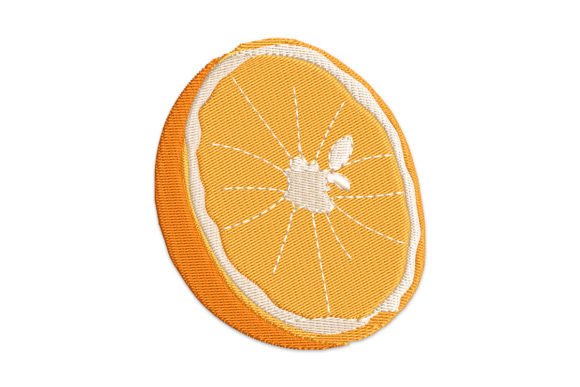
As an experienced embroidery designer, I am constantly scanning marketplaces like Creative Fabrica for designs that can elevate a small clothing brand or a handmade product line. Recently, I came across a design titled Orange, and it immediately caught my eye. The description paints a vivid picture: Juicy and fresh, this unique embroidery is perfect for all fabrics that need a fruity touch. While the original description mentions kitchen decor and summer items, my focus as a boutique owner is on apparel. I want to know if this machine embroidery design can translate well from a tea towel to a trendy sweatshirt.
In this review, I will walk through my professional assessment of using Orange in a custom apparel collection. Whether you are an Etsy seller looking for unique listings or a small shop owner planning a seasonal drop, understanding the visual personality of a design is just as important as the technical specs.
First Impressions: Visual Personality and Mood
The name Orange suggests something bold, energetic, and warm. In the world of embroidery files, fruit-themed designs often lean towards cute or playful, but a "juicy" aesthetic can also feel premium and sophisticated depending on execution. When I imagine this design on fabric, I see a burst of color that breaks up neutral palettes effectively.
The stitching mood appears to be lively and inviting. For a boutique brand, this kind of decorative strength is valuable because it adds a tactile element to garments that feels handcrafted rather than mass-produced. It strikes a balance between rustic charm and modern trendiness. If your brand identity leans towards lifestyle products, cozy outfits, or youthful fashion, this embroidery file offers a strong visual hook that customers love to see in social media graphics and printable mockups.
Applying Orange to Sweatshirts and Hoodies
Sweatshirt embroidery remains one of the most popular categories for commercial embroidery projects. The texture of fleece provides a wonderful backdrop for machine embroidery designs, allowing the stitches to pop without feeling too flat. Here is how I envision utilizing Orange in a hoodie collection:
- Chest Placement: A smaller iteration of Orange works perfectly on the left chest area of a neutral grey or black hoodie. It acts as a subtle accent that signals quality without overwhelming the wearer.
- Sleeve Accents: Placing the design on the sleeve cuff adds a fun, unexpected detail that stands out when someone crosses their arms or gestures.
- Back Designs: For oversized garments, a larger version of this design could serve as a statement piece on the back, creating a memorable look for photo shoots.
- Pastel Hoodies: On soft pastel colors like lavender or mint, the orange hue would create a complementary contrast that feels very fresh and summery.
I also considered using this design on denim jackets. The rugged texture of denim pairs beautifully with the "fruity" theme, creating a juxtaposition that feels both edgy and sweet. This versatility makes it a strong candidate for mixed-media collections.
Performance on T-Shirts and Tote Bags
Beyond heavy cottons, Orange could shine on lightweight t-shirt embroidery. However, care must be taken with stitch density to ensure the design doesn't pucker the fabric. For tote bag design, the sturdy canvas material is ideal. A bright orange motif on a natural canvas bag creates a high-contrast look that is excellent for branding and promotional merchandise.
Strategic Considerations for Small Shop Products
When integrating Orange into finished product lines, there are specific areas where we must exercise caution. As a designer reviewing this before production, I identified several potential pitfalls:
- Dense Stitch Areas: Fruit designs can sometimes feature intricate details. If the stitch density is too high, it may create a stiff spot on stretchy fabric, leading to discomfort or distortion over time.
- Dark Garments: To ensure the design pops on dark apparel, we will need to select high-quality thread colors that provide sufficient coverage. A light background underlay might be necessary to prevent the garment color from showing through.
- Ribbed Fabric: Avoid placing dense embroidery directly on ribbed cuffs or collars unless the design is specifically scaled down. These areas stretch frequently, and rigid embroidery can crack or pull the fabric.
- Curved Surfaces: When embroidering on curved surfaces like hats or rounded shoulder areas, the design must be digitized correctly to account for the curvature, or it may appear distorted.
Impact on Brand Identity and Customer Trust
The choice of design significantly affects apparel value and buyer trust. A cohesive visual language helps establish recognition. If you are selling handmade products, consistency in placement and thread quality is key. Using a design like Orange allows you to build a thematic collection—perhaps a "Summer Citrus" line—that tells a story to your customer.
Professional presentation matters. When a customer sees a well-executed embroidery design on a sweatshirt, they perceive higher value. This increases engagement and encourages repeat purchases. For digital sellers creating printable mockups, having a versatile design like Orange allows you to showcase your products in various contexts, from casual streetwear to home accents.
Practical Notes for the Embroidery Designer
Before moving forward with production, here are essential steps every creative entrepreneur should take:
- Test on Scrap Fabric: Always run a test on scrap fabric similar to your final garment. This reveals how the stabilizer interacts with the specific material.
- Check Stabilizer Choice: Fleece usually requires cut-away stabilizer for durability, while woven fabrics might work better with tear-away. Choosing the wrong type can ruin the drape of the garment.
- Review Thread Color Contrast: Ensure the selected thread colors complement the fabric. Sometimes the default colorway in the file isn't optimal for your specific palette.
- Confirm Hoop Size: Verify that the design fits within your standard hoop sizes to avoid re-digitizing or multiple hooping which can misalign the image.
- Inspect Stitch Density: Look closely at the file to ensure the density is appropriate for the fabric weight. Too much thread can make the design look muddy.
- Licensing Check: Crucially, check Creative Fabrica product details and licensing before selling finished apparel. Commercial use rights vary, and understanding these terms protects your business.
Final Thoughts on Orange
The Orange design presents itself as a versatile addition to any embroidery library. Its juicy and fresh character makes it suitable for a wide range of applications, from aprons to summer items and beyond. For those looking to expand their custom apparel offerings, this machine embroidery design offers a delightful way to inject personality into everyday wear.
By paying attention to technical details like stabilizer selection and thread contrast, and by strategically placing the design on garments like sweatshirts and tote bags, you can transform a simple digital file into a high-value commercial product. Whether you are an established boutique brand or a new Etsy seller, taking the time to evaluate designs like Orange ensures that your finished products meet the highest standards of quality and style.