Pretty Bear Embroidery Review: Boutique Sweatshirt Design
As an embroidery designer who spends hours scrutinizing stitch paths and fabric interactions, I am always looking for that perfect balance between whimsy and wearability. Recently, I was tasked with sourcing a design for a limited-edition drop for a small boutique brand. The brief was specific: we needed something adorable yet sophisticated enough to sit on a premium sweatshirt without looking like a cheap novelty item. Enter Pretty Bear. After evaluating the concept against several commercial standards, I have compiled this review to help fellow designers, Etsy sellers, and apparel decorators decide if this machine embroidery design is ready for their production line.
First Impressions and Aesthetic Appeal
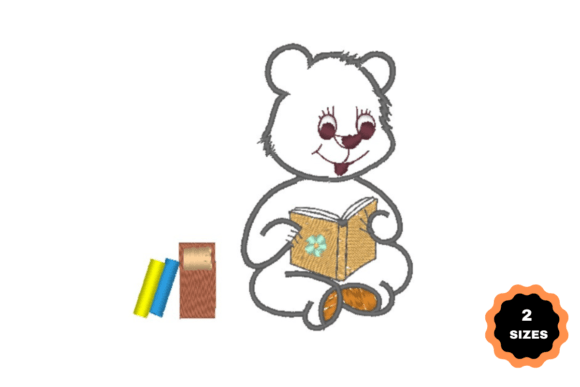
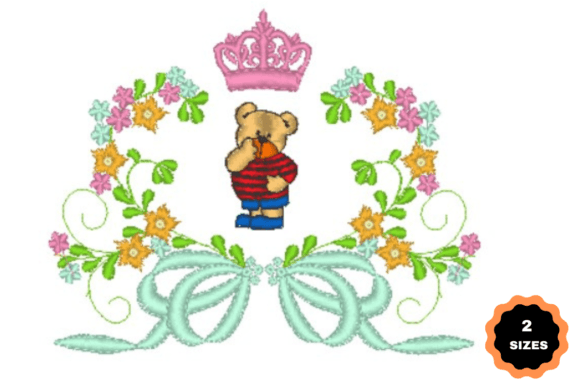
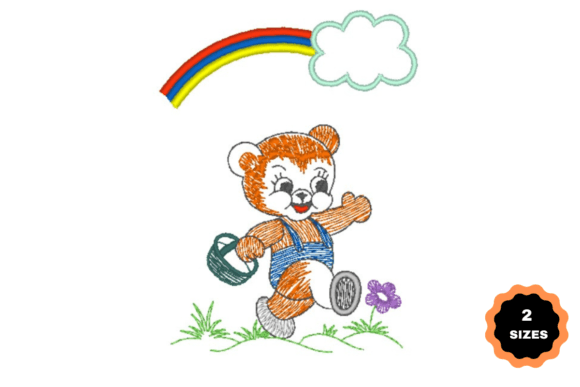
The title "Pretty Bear" suggests a certain level of delicacy, and my initial assessment confirms that this design leans heavily into a cute, playful, yet refined aesthetic. When visualizing the finished product, I imagine a design that is not overly cluttered but possesses enough detail to feel substantial. It avoids the trap of being too minimal, which can sometimes look incomplete on thick fabrics, while steering clear of excessive complexity that might overwhelm a simple garment.
In terms of mood, Pretty Bear feels warm and inviting. It has a decorative quality that works beautifully for lifestyle branding. For a boutique brand aiming to create a sense of comfort and nostalgia, this design hits the right notes. It is feminine and soft, making it particularly appealing for target audiences interested in cozy, handmade aesthetics. The layout appears balanced, suggesting that whether placed on the chest or centered on the back, it will command attention without shouting. This subtlety is crucial for high-end custom apparel where the goal is elevated casual wear rather than loud graphic tees.
Application on Premium Sweatshirts and Hoodies
Sweatshirt embroidery presents unique challenges due to the thickness and nap of the fabric. Here is how Pretty Bear translates across different garment types and colorways:
- Neutral Base Colors: On heather grey or oatmeal sweatshirts, the design will likely pop with a natural, rustic charm. The contrast allows the intricate details of the bear to shine, enhancing the handmade product feel.
- Dark Fabrics: Placing this design on black or navy hoodies requires careful thread color selection. Lighter threads would create a striking, modern look, while tonal threads could offer a subtle, textured finish. The design’s structure must be robust enough to stand out against dark backgrounds.
- Pastel Tones: For spring or summer collections, pastel pink or mint sweatshirts provide a dreamy backdrop. Pretty Bear fits seamlessly here, amplifying the soft, gentle vibe of the palette.
- Oversized Fits: On oversized hoodies, placement is key. A standard chest placement works well, but considering a smaller sleeve accent or a larger back print could elevate the design assets significantly. The design’s versatility allows it to adapt to these varied spatial requirements.
Visual Impact and Brand Identity
For an Etsy seller or digital embroidery file creator, visual recognition is paramount. Pretty Bear offers strong potential for brand identity. Its distinctive character makes it memorable, encouraging customer engagement through social media sharing. When customers see a finished product featuring such a charming motif, it builds trust in the quality of the handmade item. It signals that the brand cares about detail and aesthetics, which is essential for justifying higher price points in the competitive online marketplace.
Technical Evaluation for Commercial Use
Beyond aesthetics, a successful embroidery file must withstand the rigors of commercial production. Here are the practical concerns every designer should consider before integrating Pretty Bear into their workflow.
Stitch Density and Fabric Texture
One of the most critical factors is stitch density. If the design is too dense, it may pucker the fabric, especially on lighter weight cotton blends. Conversely, if it is too sparse, it may lack definition on fuzzy fleece materials. The design needs to maintain its shape and clarity despite the texture of the sweatshirt. Designers should test the embroidery file on various fabric textures to ensure the stitches lay flat and smooth.
Thread Color Contrast
The success of any embroidery project relies heavily on thread colors. For Pretty Bear, selecting threads that complement the base fabric is vital. High-contrast combinations work best for visibility, while low-contrast schemes offer a more sophisticated, understated look. Experimenting with metallic or variegated threads could add an extraordinary look to the design, giving your fabrics a unique flair that stands out in mockup previews.
Stabilizer Choice and Hoop Placement
Proper stabilization is non-negotiable for knit fabrics like sweatshirts. A cut-away stabilizer is typically recommended to prevent distortion during washing and wear. The hoop size must accommodate the design dimensions comfortably, ensuring that the hooping process does not leave visible marks on the final product. Careful hoop placement is also essential to avoid seams or pockets that could interfere with the embroidery path.
Washing Durability
Commercial apparel must endure repeated washing cycles. The design should be constructed with durable stitches that resist fraying or fading. Tight satin stitches around edges can help secure the design, preventing unraveling over time. Ensuring the design feels strong enough for daily wear is crucial for maintaining buyer satisfaction and reducing return rates.
Marketing and Presentation Strategy
Once the technical aspects are verified, the focus shifts to presentation. Pretty Bear lends itself well to lifestyle product photography. Imagine the sweatshirt styled with jeans and boots, highlighting the cozy seasonal appeal. Creating printable mockups with the design applied to various garments can help visualize the final product before production begins. These assets are invaluable for Etsy listings and social media campaigns, allowing you to showcase the design’s versatility.
For small shop products, emphasizing the handmade nature of the embroidery can attract customers who value artisanal quality. Highlighting the thought process behind the design choice—why Pretty Bear was selected for its charm and elegance—can deepen the connection with your audience. This storytelling aspect transforms a simple commodity into a desirable piece of wearable art.
Final Verdict
Pretty Bear emerges as a versatile and charming option for boutique brands and independent designers. Its blend of cuteness and sophistication makes it suitable for a wide range of apparel applications, from casual hoodies to more polished sweatshirts. However, as with any digital embroidery file, thorough testing is required. Check the specific stitch count, file format compatibility, and license terms before committing to mass production. Ensure that the thread colors and stabilizer choices align with your brand’s quality standards.
If executed correctly, Pretty Bear has the potential to become a signature element in your collection, driving sales and reinforcing your brand’s identity. It offers that extra touch of personality that customers love, turning a basic garment into a statement piece. For those looking to add a touch of whimsy to their inventory without sacrificing professionalism, this design is certainly worth considering. Just remember to verify all technical specifications to ensure a flawless finished product every time.