Bear Studying Embroidery Review for Boutique Apparel
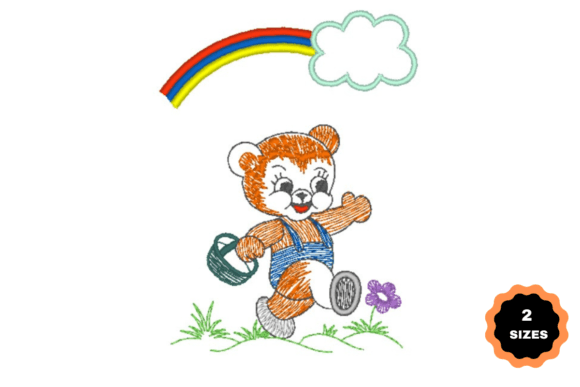
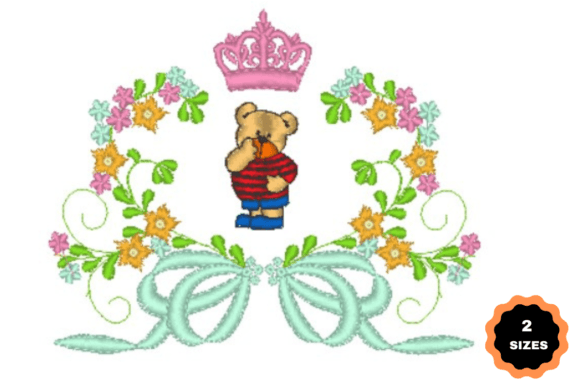
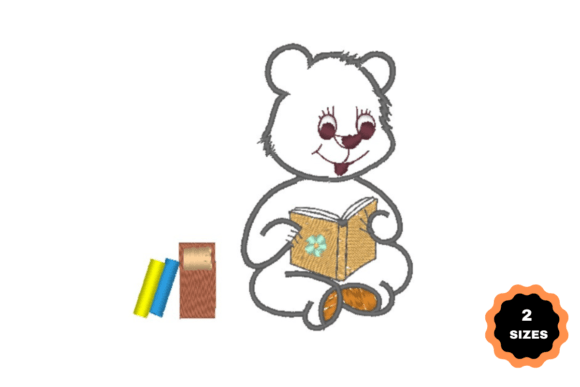
As an experienced embroidery designer constantly scouting for the next hit design for my boutique collections, I recently came across Bear Studying on Creative Fabrica. When you are building a line of custom apparel, specifically sweatshirts and hoodies, finding a motif that balances cuteness with professional polish is difficult. This machine embroidery design immediately caught my eye because it promises to give fabrics an extraordinary look. It is not just another generic teddy bear; there is a specific narrative in the way this design is constructed that suggests it could be a standout piece for seasonal collections.
The product description mentions sewing this lovely teddy bear onto any fabric needing a nice accent. While that sounds simple, the devil is in the details. For those of us running small clothing brands or Etsy shops, we need designs that elevate the perceived value of the garment. My initial assessment of Bear Studying is that it possesses a visual personality that feels both playful and studious. It has a decorative strength that works well without overwhelming the wearer, making it ideal for lifestyle product photos where the focus needs to remain on the overall outfit rather than just the logo.
Visual Mood and Design Personality
When reviewing a digital embroidery file before committing it to production, I first analyze the stitch density and the mood it conveys. Bear Studying appears to have a soft, inviting aesthetic. The name alone suggests a cozy atmosphere, perfect for autumn collections or back-to-school themes. Unlike bold, aggressive logos that scream for attention, this design whispers. It feels premium yet casual, fitting seamlessly into a collection of pastel hoodies or neutral sweatshirts.
For boutique brands looking to establish a friendly identity, this design offers a strong foundation. It avoids being overly childish while retaining enough charm to appeal to children's wear sections or even adult streetwear with a retro vibe. The detail level seems sufficient to hold up on larger garments like oversized hoodies, where a tiny, sparse design might get lost. However, the balance of stitches will be crucial when moving to smaller items like tote bags or chest placements on fitted t-shirts.
Application on Sweatshirt and Hoodie Collections
The primary use case I envision for this embroidery file is sweatshirt embroidery. There is something inherently cozy about stitching a character like a studying bear onto fleece. Imagine a collection of oversized gray hoodies featuring this design centered on the chest. The texture of the fleece would complement the thread colors beautifully, creating a tactile experience that customers love.
- Hoodie Chest Placement: A classic spot for Bear Studying. It creates a focal point that draws the eye without blocking the zipper or feeling too bulky.
- Sleeve Accents: For a more subtle approach, placing the design on the sleeve cuff or upper arm adds a trendy touch. This works exceptionally well for "lifestyle" branding where the logo is part of the story rather than the main event.
- Back Designs: If the design scale allows, a large version on the back of a dark garment could create a striking statement piece for social media graphics.
I also see potential for using this design on denim jackets. The contrast between the rugged denim and the soft, stitched bear creates a unique juxtaposition that appeals to crafters and creative entrepreneurs who want to offer unique, handmade products. Furthermore, for printable mockups used in Etsy listings, this design translates well into digital previews, helping sellers visualize the final product before cutting fabric.
Considerations for Dark Garments and Fleece
While the design looks promising, there are practical challenges to consider when working with different fabric textures. One of the most common pitfalls in commercial embroidery is trying to place a light-colored design on a dark garment without proper underlay or backing. Bear Studying may require careful thread color selection to ensure visibility on black or navy sweatshirts. If the design relies heavily on white or light pastel threads, it might get swallowed by the fabric unless a high-quality stabilizer is used.
Fleece and ribbed fabric present their own set of difficulties. These materials stretch, and if the stitch density of the design is too high, it can cause puckering. I would advise testing Bear Studying on scrap pieces of the exact fleece or ribbed material intended for the final product. The goal is to achieve a flat finish where the bear sits flush against the fabric, rather than floating or distorting the knit structure.
Strategic Value for Small Shops and Sellers
For an Etsy seller or a small shop owner, every design decision impacts brand identity and buyer trust. Using a cohesive, high-quality design like Bear Studying signals professionalism. It shows that you care about the details, which increases customer engagement and encourages repeat purchases. When a finished product looks consistent and polished, it reinforces the idea that the brand is trustworthy.
This design can also enhance product recognition. If you decide to make this your signature motif for a "Study Break" or "Cozy Season" line, customers will begin to associate the image of the studying bear with your brand. This visual consistency is key in a crowded marketplace. Whether you are selling physical apparel or digital embroidery files, having a versatile design that works across multiple categories—tote bags, t-shirts, and hoodies—maximizes your return on investment.
Practical Designer Notes for Production
Before rushing into a full production run, there are several technical steps every embroidery designer must take. First, always test on scrap fabric. This is non-negotiable. You need to verify how the design interacts with your specific hoop size and the tension of your machine. Check the stitch density carefully; if the design is too dense for the chosen fabric, it may become stiff and uncomfortable to wear.
Stabilizer choice is equally critical. For stretchy fabrics like jersey or fleece, a cut-away stabilizer often provides the best support to prevent distortion over time. However, for lightweight t-shirts, a tear-away might suffice depending on the design's weight. Review the thread color contrast thoroughly. Sometimes, changing the thread palette can completely alter the mood of the design, shifting it from rustic to modern.
It is also vital to inspect the Creative Fabrica product details and licensing terms before selling finished apparel. Ensure that the license allows for commercial use of the finished goods. Do not assume file formats or hoop sizes without verification. If the product page does not explicitly state the stitch count or compatibility with specific machines, reach out to the creator or test extensively to avoid costly mistakes. Confirming these details ensures that your custom apparel projects remain profitable and hassle-free.
In conclusion, Bear Studying represents a strong candidate for anyone looking to expand their embroidery offerings. Its blend of whimsical charm and structural integrity makes it suitable for a wide range of projects, from cozy seasonal outfits to trendy boutique merchandise. By approaching this design with careful planning and technical precision, you can create finished products that resonate with customers and elevate your brand's presence in the market.