Love is Sweet Embroidery Review
As a designer who has spent years stitching out files for clients and crafting my own product lines, I know that the difference between a good design and a great one often comes down to how it translates from screen to fabric. When I first pulled up Love is Sweet, I didn’t just see a file; I saw potential inventory. This Valentine’s Day embroidery design carries a specific mood—one that is playful yet polished enough for serious retail. But does it hold up under the needle? That is what matters most to anyone looking to turn digital assets into tangible revenue.
First Impressions and Visual Personality
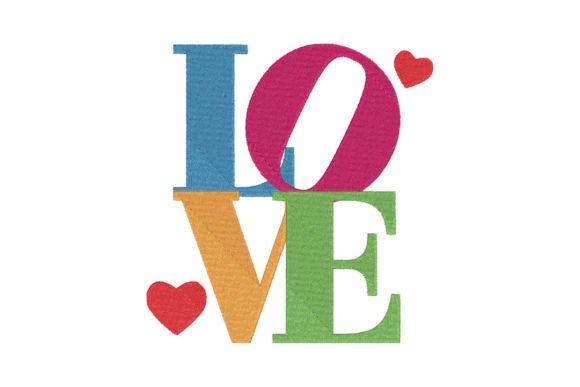
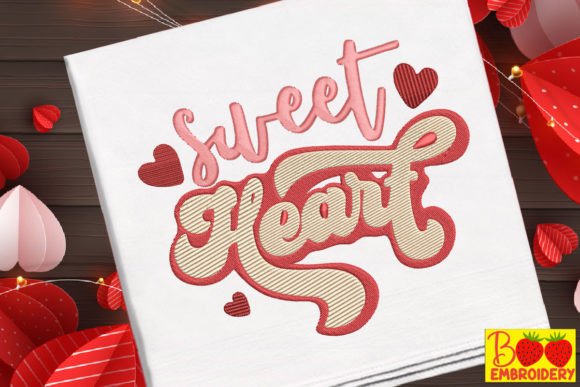
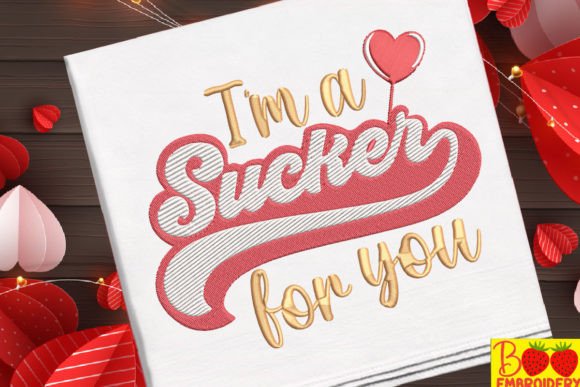
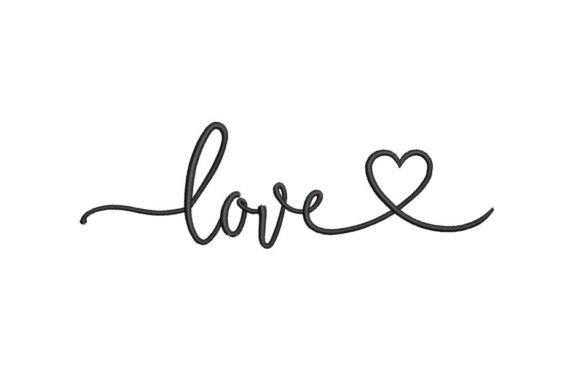
The title "Love is Sweet" suggests a certain direction, and this machine embroidery design delivers on that promise without being overly cliché. The layout feels balanced, with a visual weight that suggests it was built for recognition rather than just filling space. In the world of handmade products, especially during the holiday season, you want designs that communicate their theme instantly. This design achieves that clarity. It possesses a friendly, approachable aesthetic that works well across a wide demographic, from young couples buying gifts to parents looking for personalized baby items.
What stands out immediately is the attention to detail in the lettering and accompanying graphics. For an Etsy seller or small shop owner, this level of polish is crucial. Customers can often tell when a design looks cheap or rushed simply by looking at the spacing and alignment. Here, the elements feel cohesive. The typography likely utilizes a mix of styles that guide the eye naturally, creating a hierarchy that makes the message pop. It feels like a boutique-quality asset rather than a generic clip-art conversion.
Real-World Application: From Screen to Stitch
I recently evaluated this file with a specific project in mind: a custom embroidered tote bag for a local craft fair. Tote bags are a staple in any craft business, but they present unique challenges regarding fabric texture and hoop stability. Placing the Love is Sweet design on a sturdy canvas tote allowed me to test its performance on a textured surface. The result was promising. The main elements held their shape well, suggesting that the digitizer paid close attention to stitch angles and pull compensation.
However, the versatility of this embroidery file extends far beyond tote bags. Imagine this design on a soft sweatshirt for a matching couple’s gift set, or perhaps stitched onto a kitchen apron for a bride-to-be. The scale of the design seems adaptable, which is a huge plus. If you are a commercial embroidery operator, knowing that a single design can be applied to apparel, home decor, and accessories increases your profit margin significantly. You are not limited to one niche; you can market this as a multi-use product line.
Consider the nursery market as another angle. Baby clothes require gentle handling and clear visibility. A smaller application of this design on a onesie or a burp cloth could serve as a heartwarming personalized gift. The softness implied by the design’s theme aligns perfectly with the tactile nature of baby textiles. Similarly, for those selling digital embroidery files, this design offers excellent value because it crosses multiple categories: holiday, romance, and home goods.
Where Caution Is Required
While the design is strong, no digitizer is perfect, and every fabric behaves differently. There are specific scenarios where you should proceed with caution. First, consider the smallest details within the design. If your current setup involves very small hoop sizes, you might lose some of the finer nuances of the lettering or decorative accents. Always inspect these tiny corners before committing to a full production run.
Fabric choice is equally critical. Textured fabrics, such as heavy waffle-knit towels or nubby wool blends, can obscure fine stitches. On thin or stretchy fabrics, you must ensure you are using the proper stabilizer to prevent puckering or distortion. If you plan to use this on dark fabric, thread color contrast becomes your biggest enemy. A light-colored satin stitch might disappear against a navy background unless you use a high-contrast thread or a backing layer. Furthermore, if you are working with curved surfaces like baseball caps, keep in mind that dense fill areas may not lay flat around the curve, potentially affecting the overall presentation.
Impact on Product Value and Brand Consistency
In the competitive landscape of handmade commerce, perceived value drives sales. A well-executed embroidery project signals quality to the buyer. When a customer sees that the Love is Sweet design is stitched cleanly, with consistent tension and no loose threads, it builds trust in your brand. It suggests that you care about the details, which encourages repeat business.
This design also supports brand consistency. Because it is versatile, you can use it across various marketing materials. Whether you are creating printable mockups for social media or displaying finished products at a craft fair, the design maintains its integrity. It looks professional in both digital previews and physical form. This dual capability is essential for modern entrepreneurs who need to showcase their work online before shipping it out.
Practical Designer Notes for Success
Before you upload this file to your hooper or start mass-producing items, follow these practical steps to ensure the best outcome:
- Test on Scrap Fabric: Never assume a design will work perfectly on your final material. Run a test stitch on a scrap piece of the exact fabric you plan to use. This reveals issues with tension, density, or stabilizer needs early.
- Check Thread Color Contrast: View your design in black and white mockups to ensure the text and graphics remain legible regardless of the thread colors chosen. High contrast is key for readability.
- Review Stitch Density: Look closely at the fill stitch areas. Are they too dense for the fabric type? Excessive density can cause bulkiness, especially on lightweight garments or delicate baby items.
- Confirm Hoop Size: Ensure the design dimensions fit comfortably within your intended hoop size, leaving enough margin for easy hooping and removal without distorting the edges.
- Stabilizer Selection: Use the correct stabilizer for your fabric. Cut-away stabilizers are generally safer for woven items like totes and towels, while tear-away might suffice for temporary projects on stable knits.
- Licensing Check: Before selling finished products or offering this as a digital download, double-check the license terms. Some designs are restricted to personal use only, while others allow commercial sale. Respecting intellectual property protects your business from legal issues.
Final Thoughts
Love is Sweet is more than just a cute Valentine’s Day motif; it is a functional, versatile tool for any embroidery enthusiast. Whether you are a hobbyist making a personalized gift for a friend or an Etsy seller building your next best-selling collection, this design offers solid value. It balances charm with professionalism, making it suitable for a wide range of applications from custom apparel to home decor.
By taking the time to test the design properly and considering the fabric and context, you can maximize its potential. It fits seamlessly into the workflow of a creative entrepreneur who values quality and efficiency. If you are looking to add a touch of warmth and style to your upcoming projects, this embroidery project is definitely worth your consideration. Just remember to do your homework on the technical details, and you will have a finished product that customers will love.