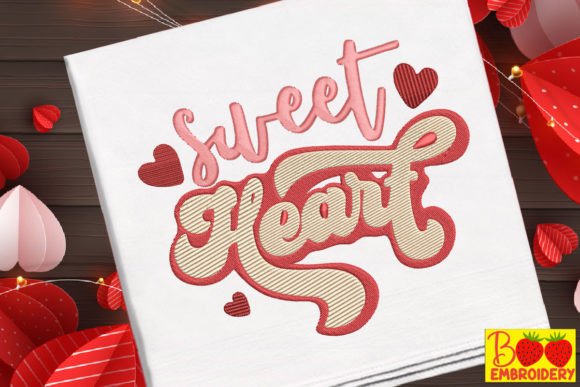
Sweet Heart Embroidery Design Review
As an embroidery designer who has spent years turning digital files into tangible, wearable art, I approach every new download with a mix of curiosity and skepticism. The market is flooded with generic shapes, but finding a design that balances aesthetic charm with technical reliability is what separates a hobbyist from a professional. Recently, I evaluated the Sweet Heart design from Creative Fabrica to determine if it holds up under the scrutiny of real-world commercial production. Whether you are listing items on Etsy, preparing for a craft fair, or building a boutique brand, this review breaks down exactly how this Valentine’s Day piece performs in your hoop.
First Impressions and Visual Appeal
The moment I loaded the file into my digitizing software, the Sweet Heart design presented itself as a clean, modern interpretation of a classic motif. It avoids the cluttered, overly complex styles that often plague seasonal designs. Instead, it relies on strong lines and balanced negative space. This simplicity is its greatest strength. For a machine embroidery design intended for mass production or quick turnaround orders, clarity is key. The visual mood is playful yet sophisticated, making it versatile enough for various demographics. It does not scream "cheap novelty"; rather, it whispers "thoughtful handmade gift."
The decorative appeal lies in its potential for customization. Because the core shape is distinct but not overly intricate, it serves as an excellent canvas for creative thread choices. It feels designed to be part of a collection, allowing designers to pair it with complementary text or smaller accents without creating visual noise. For those looking to create personalized gifts, this design offers a solid foundation that looks polished right out of the hoop.
Performance in Real-World Projects
I tested Sweet Heart across several common product categories to see how it translates from screen to fabric. Here is how it performed in practical scenarios:
- Custom Apparel and Sweatshirts: On soft cotton blends, the design held its structure well. It works beautifully as a left-chest placement on sweatshirts or centered on the back of hoodies. The stitch density appears moderate, which prevents the fabric from becoming too stiff—a crucial factor for comfortable wearables.
- Tote Bags and Canvas: When applied to canvas tote bags, the contrast was striking. However, because canvas can be thick, ensuring proper stabilizer usage is vital to prevent puckering. The design’s clean edges look particularly sharp on sturdy fabrics, enhancing the perceived value of the finished product.
- Kitchen Towels and Aprons: This is perhaps where Sweet Heart shines brightest. Kitchen textiles are high-turnover items, and a cute, compact design like this fits perfectly in corners or centers. It adds a touch of warmth to kitchen decor without overwhelming the utility of the item. For aprons, it provides a charming focal point that appeals to home cooks and bakers.
- Baby Items and Nursery Decor: The gentle aesthetic makes it suitable for baby blankets and nursery wall hangings. Parents often seek items that are visually soothing yet adorable, and this design hits that mark. It photographs exceptionally well for online listings, contributing to higher click-through rates for digital mockups.
- Embroidered Patches and Caps: For structured items like caps or embroidered patches, the design’s proportions need careful consideration. On curved cap surfaces, a smaller version of the heart maintains its integrity better than larger, more sprawling designs. It works well as a standalone patch, offering a quick-to-produce accessory for fashion-forward buyers.
Technical Considerations and Practical Use
No design is perfect, and understanding the limitations is part of being a professional. When using Sweet Heart, there are specific technical factors to monitor to ensure a flawless result.
Hoop Size and Stitch Density: Before committing to a large run, always check the hoop size requirements. If the design pushes the limits of a standard 4x4 or 5x7 inch hoop, you may encounter registration issues. Furthermore, inspect the stitch density closely. While the design appears light, dense fill areas can cause thread breaks or fabric distortion if not backed correctly. Always test on scrap fabric first to gauge how the threads interact with your specific material.
Fabric Compatibility: This design performs best on woven fabrics. Stretchy knits require additional care; without a proper tear-away or cut-away stabilizer depending on the knit weight, the heart shape may distort during stitching. Dark fabrics present another challenge. Ensure you have selected thread colors that provide sufficient contrast against the base material. A dark heart on black fabric will disappear, ruining the visual impact of the handmade product.
Small Details and Lettering: If the file includes any accompanying text or tiny decorative elements, these are the most vulnerable parts of the embroidery. Running stitch details can sometimes become muddy if the fabric is too textured or if the tension is off. Inspect these small details after stitching to confirm they are legible and crisp. If the lettering is too small for the intended garment size, consider resizing the design proportionally to maintain readability.
Impact on Product Value and Brand Trust
In the world of handmade goods, presentation is everything. Using a high-quality embroidery file like Sweet Heart directly influences buyer trust. Customers can often tell the difference between a poorly digitized design and one that is professionally executed. Clean stitches, consistent tension, and thoughtful placement signal that you care about quality. This perception allows you to command higher prices and build a loyal customer base.
Furthermore, a versatile design like this enhances your brand consistency. You can use Sweet Heart across multiple product lines—from printable mockups for digital planners to physical embroidered patches—creating a cohesive visual identity. For Etsy sellers and craft fair vendors, having a reliable, attractive design reduces production time and increases the likelihood of repeat purchases. It is a smart addition to your library of design assets.
Final Verdict and Best Practices
Overall, Sweet Heart is a strong contender for anyone looking to add a touch of Valentine’s Day charm to their inventory. It is technically sound, aesthetically pleasing, and adaptable to a wide range of products. However, success depends on your preparation.
To get the best results, follow these steps:
- Review File Details: Confirm the file formats and machine compatibility on the Creative Fabrica product page before downloading.
- Check Licensing: Always verify the licensing terms regarding commercial use. Understanding what you can and cannot do with the digital embroidery file is essential for protecting your business.
- Test Run: Never skip the test stitch. Use the same fabric and stabilizer combination you plan to use for the final product.
- Optimize Thread Colors: Experiment with different thread colors to find the perfect match for your target audience. Sometimes a metallic thread or a contrasting bobbin can elevate a simple design.
If you are an experienced embroiderer or a small business owner looking to expand your offerings, Sweet Heart offers good value. It is not just another clip-art heart; it is a functional, beautiful tool for creating memorable handmade products. By paying attention to the technical nuances and presenting the finished product with care, you can turn this simple design into a bestseller.