Small Pink Rose Design Review for Business
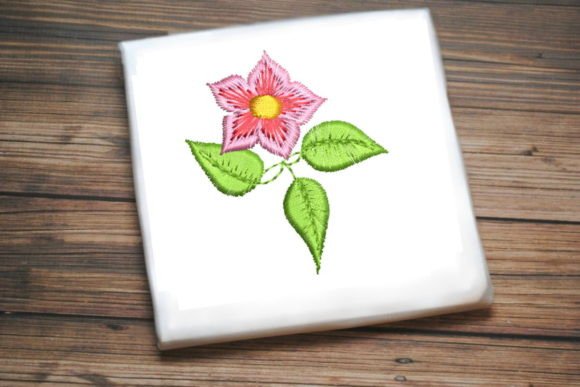
As an experienced embroidery designer who has spent years crafting assets for brands ranging from boutique florists to high-end apparel decorators, I often get asked about the specific utility of single-flower designs. Today, I am reviewing a design titled Small Pink Rose. This piece falls under the category of Single Flowers and is marketed as a fun, easy-to-stitch option that promises elegance on any fabric. But does it hold up when we move from a hobbyist project to serious small business merch? Can it serve as a viable component for branded patches, staff uniforms, or product labels? Let's dive into a professional evaluation.
First Impressions: Personality and Brand Fit
The title "Small Pink Rose" immediately suggests a design that is approachable rather than intimidating. In the world of commercial embroidery, the first impression is crucial because it dictates where the design can live on a product. Based on the description provided, this design feels friendly, elegant, and slightly playful. It strikes a balance between classic botanical aesthetics and modern simplicity.
For a small business owner looking to establish a brand identity, this design offers a soft yet professional look. It is not overly ornate, which means it will likely remain legible even at smaller sizes. The "fun and easy to stitch" claim suggests a lower risk of production errors, a vital factor for shops running high-volume orders. However, we must ask: does it feel premium enough for a luxury boutique, or rustic enough for a craft fair vendor? The answer lies in execution. When stitched correctly, this embroidery file can elevate a simple tote bag into a statement piece of small business merch.
Real-World Applications for Branded Merchandise
In my experience, the versatility of a floral motif like Small Pink Rose is its greatest asset for diverse industries. Imagine a local café or bakery wanting to create a cohesive visual language. This design would work exceptionally well as a chest logo accent on aprons. The small scale allows it to sit neatly above the pocket without overwhelming the garment, while still providing a memorable visual cue for customers.
Consider a handmade shop or a creative studio selling custom goods. Here, the design could be transformed into an embroidered patch and sewn onto the back of denim jackets or the front of baseball caps. For a pet brand, stitching this onto a canvas tote bag creates a charming accessory that reinforces the "handmade product" vibe. It is also ideal for product packaging accents; imagine a sticker with this design, replaced by actual thread on a box lid, adding a tactile layer of quality to the unboxing experience.
Furthermore, for Etsy sellers and digital file buyers, this design serves as a perfect design asset for creating uniformity across a collection. Whether used on event merchandise for a wedding florist or as a customer gift with every purchase, the consistent application of this flower pattern builds trust. It signals that the business cares about details, which directly impacts buyer engagement and perceived product value.
Strategic Placement and Limitations
While the potential is high, a professional review must address where this design should be used carefully. Not every surface is suitable for every machine embroidery design. The primary constraint here is size. Because the design is labeled "Small," placing it on items requiring large-scale branding might result in a lack of impact. Conversely, attempting to use it on very small patch sizes requires scrutiny. If the rose petals are too detailed, they may merge together when stitched at a tiny scale, losing definition.
Curved surfaces, such as the front of a cap, present another challenge. The natural curve of a hat can distort the circular nature of a flower if the hoop size and stabilizer choice are incorrect. Additionally, textured fabrics like heavy wool or thick canvas might hide the delicate lines of the rose. Dark uniforms pose a similar issue; unless the thread colors offer high contrast, the pink hue might disappear against black or navy backgrounds.
Frequent washing is another critical factor. Designs with high stitch density can sometimes cause puckering over time, especially on lighter weight fabrics. If the design relies on fine outlines, these may wear down faster than solid fills. Therefore, for items like work shirts or aprons that undergo industrial laundering, one must verify the durability of the stitch density before committing to a full run.
Impact on Brand Identity and Professionalism
The choice of embroidery design is never just about decoration; it is a cornerstone of brand identity. A design that looks cheap or poorly executed can undermine customer trust, while a clean, well-stitched image enhances professionalism. Small Pink Rose, with its promise of elegance, supports a narrative of care and attention to detail.
When a customer sees a crisp, colorful rose on a tote bag or a perfectly formed patch on a cap, they associate those qualities with the business itself. It suggests that the brand values aesthetics and quality control. This visual consistency is essential for building recognition. In a crowded market, having a distinct, repeatable visual element helps separate a small business from generic competitors. It transforms a simple utility item into a branded asset that customers want to display.
Practical Designer Notes for Production
Before you rush to produce your next batch of custom apparel, there are several technical steps I recommend taking as an industry veteran. First, always test the design in black and white. This removes the distraction of color and allows you to judge the composition and spacing purely on shape and negative space.
Next, check if the design works at your intended patch size. Create a mockup for client approval using a printable mockup tool to visualize the final product. Ensure you have reviewed the thread color contrast; a light pink rose on a light background will fail regardless of the design quality. Inspect the spacing to ensure there is enough room for the edges of the design to breathe without cutting off near the seam.
Confirming the correct hoop size is non-negotiable. Using a hoop that is too large can lead to shifting, while one that is too small can crop the design. Test on real fabric, not just a sample swatch, to account for the specific fabric texture you will be using. Always use proper stabilizer suited for the weight of the material to prevent distortion. Finally, compare this design beside other design assets you own to ensure it fits within your existing visual library.
Most importantly, confirm your commercial licensing. Just because you bought the file does not automatically grant you the right to sell products featuring it. Verify the terms before launching your campaign. While the description states it is "high-quality," specific details regarding exact stitch counts, file formats, and recommended hoop dimensions are not explicitly listed in the product summary. You must contact the provider or check the file metadata to ensure compatibility with your specific embroidery machine.
Final Thoughts
Small Pink Rose represents a solid addition to the toolkit of any embroiderer focusing on commercial embroidery projects. Its blend of elegance and ease makes it suitable for a wide array of applications, from tote bag design to apron embroidery. By following best practices regarding testing, stabilization, and placement, small business owners can leverage this design to create memorable, high-value merchandise that resonates with their audience.