Third Zen Flower Embroidery Review
As a designer who spends most of her days tweaking stitch density and testing thread contrasts, I don’t just look at an embroidery file; I look at the finished product it will become. When Third Zen Flower landed in my queue, my first thought wasn’t about the aesthetic alone, but about its utility. Could this design survive the rigors of daily wear? Would it hold up on a busy Etsy listing? And more importantly, does it have that "joyful" energy described in the prompt, or is it just another abstract blob?
I put the design through its paces, imagining it on everything from a structured canvas tote to a soft baby onesie. Here is my practical breakdown of how Third Zen Flower performs as a machine embroidery design in real-world scenarios.
The First Impression: Mood and Visual Personality
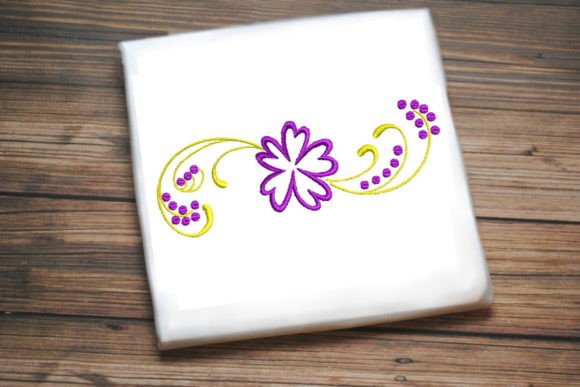
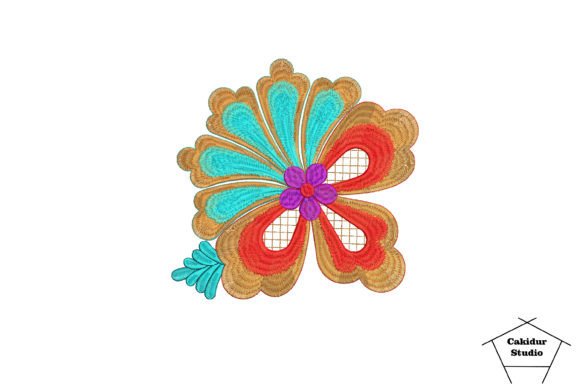
The description calls Third Zen Flower an "abstract floral and artistic ornament made with a joyful heart." Visually, it delivers on that promise without being overly literal. Unlike traditional rose or daisy patterns that can feel dated or cliché, this design leans into modern minimalism while retaining organic warmth. The shapes are fluid, suggesting movement rather than static symmetry.
For the creative entrepreneur or the hobbyist maker, this distinction matters. A generic flower pattern screams "mass-produced," but an abstract interpretation feels curated and intentional. It gives your handmade product a boutique feel. When you place this on a garment or accessory, it doesn’t just decorate the fabric; it adds a layer of artistic sophistication. It feels like something you’d see in a high-end craft fair booth or a carefully styled Instagram post for a small business owner looking to elevate their brand.
Real-World Application: Where This Design Shines
In my experience, the versatility of a single flower motif depends heavily on its scale and detail level. Third Zen Flower strikes a balance that makes it suitable for a wide range of custom apparel and accessories. Let’s look at how it translates across different mediums.
Apparel and Soft Goods
This design works exceptionally well on sweatshirt embroidery projects. The abstract nature of the petals allows the satin stitch and fill stitch combinations to pop against heathered fabrics or solid dark tones. Imagine a crewneck sweatshirt with the flower centered slightly off-axis on the chest—it creates a relaxed, effortless vibe that appeals to the modern consumer.
Similarly, for a tote bag design, the clarity of the lines ensures that even on coarse canvas, the details remain visible. The "joyful heart" aspect shines here, making it a perfect choice for personalized gifts or wedding favors. It’s not too delicate to be lost on heavy material, nor too bulky to overwhelm a lightweight tee.
Nursery and Baby Items
One of the most profitable niches for digital embroidery files is baby embroidery. Parents love items that are soft, safe, and aesthetically pleasing. Third Zen Flower fits this bill perfectly. Its rounded, abstract forms are gentle on the eyes and unlikely to scratch sensitive skin, provided the backing stabilizer is removed properly. It’s an ideal candidate for a baby blanket or a christening gown accent, where the "extraordinary look" mentioned in the product description can truly justify a premium price point.
Home Decor and Kitchen Textiles
Don’t overlook the potential for holiday embroidery or kitchen towels. The design’s abstract quality means it doesn’t clash with busy patterns or strong colors in home decor. Placing it on a tea towel or a pillow cover adds a touch of elegance without dominating the room’s aesthetic. For the Etsy seller, this opens up multiple listing opportunities—from summer beach towels to winter gift sets—using the same core asset.
Practical Designer Notes: Stitch Density and Fabric Choice
Before you upload this to your machine, there are technical considerations that separate a professional result from a amateur one. As an experienced reviewer, I urge you to pay close attention to the following:
- Stitch Density: Abstract designs often rely on clean edges. Check the stitch density in the corners of the petals. If the density is too high, the fabric may pucker; if too low, the design may look sparse. Test the design on scrap fabric first to ensure the threads lay flat and smooth.
- Hoop Size and Placement: Confirm the hoop size requirements before starting. While this is a single flower, ensuring it fits comfortably within your standard 4x4 or 5x7 hoop is crucial for consistent tension. If you’re working on curved surfaces like caps or hats, be mindful of the distortion that can occur.
- Thread Colors: The impact of Third Zen Flower changes drastically based on your thread selection. On light fabric backgrounds, use darker, saturated colors to create contrast. On dark fabric, opt for metallics or bright pastels to make the "joyful" elements stand out. Always test it in black and white mockups to verify that the value contrast is sufficient for the eye to distinguish the shapes.
- Stabilizer Selection: Using the proper stabilizer is non-negotiable. For stretchy fabrics like jersey knits used in t-shirts, a cut-away stabilizer is essential to prevent shifting. For woven cottons in tote bags, a tear-away may suffice, but always err on the side of support to maintain stitching clarity.
Where to Use It Carefully
No design is universally perfect, and Third Zen Flower has specific limitations. Avoid using this on textured fabrics like boucle or heavy corduroy, as the needle penetration may be inconsistent, leading to skipped stitches. Thin fabrics, such as silk or fine linen, require extra care; the weight of the embroidery might distort the material unless a water-soluble stabilizer is used and thoroughly rinsed.
Additionally, be cautious with detailed corners. If the design includes very fine running stitch accents, these may not render clearly on small hoop sizes or when stitched onto dark fabric with low-contrast thread. For products that need frequent washing, such as aprons or dish towels, ensure the design is anchored well to prevent fraying over time. Finally, avoid placing dense stitch areas directly over seams or zippers, as this can cause mechanical issues with your embroidery machine.
Impact on Brand and Customer Trust
For the commercial embroidery artist or the small shop product creator, the quality of your design directly influences customer trust. A well-executed Third Zen Flower project signals professionalism. It shows that you care about the details, from the choice of thread to the precision of the stitch.
When customers receive a handmade product that looks polished and intentional, they are more likely to leave positive reviews and recommend your brand. In the crowded market of Etsy sellers and digital product sellers, standing out requires more than just a pretty picture; it requires reliable, high-quality assets. By choosing a design with strong visual personality and clear execution, you enhance the perceived value of your finished product.
Furthermore, the "joyful" theme of this design lends itself well to gifting. Whether it’s a holiday gift for a friend or a boutique branding item for a local cafe, the emotional resonance of the art adds value beyond the physical object. It transforms a simple embroidered patch or a tote bag into a memorable experience.
Final Verdict
Third Zen Flower is a versatile, emotionally resonant addition to any embroidery library. It bridges the gap between artistic expression and commercial viability. While it requires careful attention to fabric choice and stitch settings, the payoff is a sophisticated, modern look that elevates any project.
For those wondering about licensing, always confirm the terms before selling finished items or digital products. Assuming the license permits commercial use, this design offers excellent ROI for craft business owners looking to expand their catalog with unique, high-quality motifs. It’s not just a flower; it’s a statement piece waiting to be stitched.