Tricolor Flower Border Review for Craft Fairs
I have spent years designing machine embroidery files, but the real test always happens at the craft fair table. You can have a beautiful digital file, but if it does not translate well into a finished product that stops a passerby in their tracks, it is just data. Today, I am reviewing the Tricolor Flower Border with one specific goal: determining if this design has the potential to be a best-seller in my weekend booth and online shop.
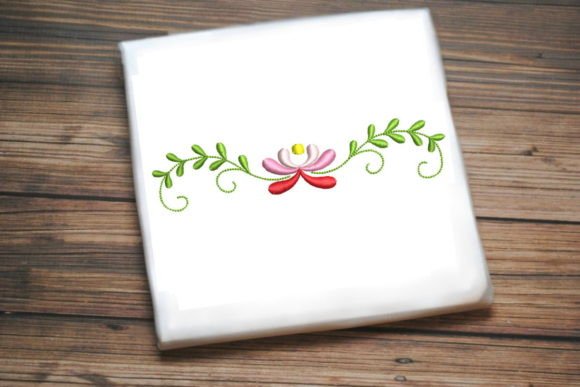
When I first loaded the Tricolor Flower Border onto my screen, the immediate impression was one of vibrant versatility. The title suggests a classic aesthetic, but the description promises something fun and easy to stitch. For a handmade market seller, "easy to stitch" is often code for "high production value with low frustration." This design feels like it strikes a perfect balance between elegant and approachable. It is not overly rustic or aggressively modern; instead, it sits comfortably in that sweet spot of timeless decorative charm that appeals to a broad demographic. Whether you are an Etsy seller looking for consistent inventory or a boutique maker needing unique accents, this border design offers a premium feel without requiring hours of tedious setup.
Visual Appeal and Product Potential
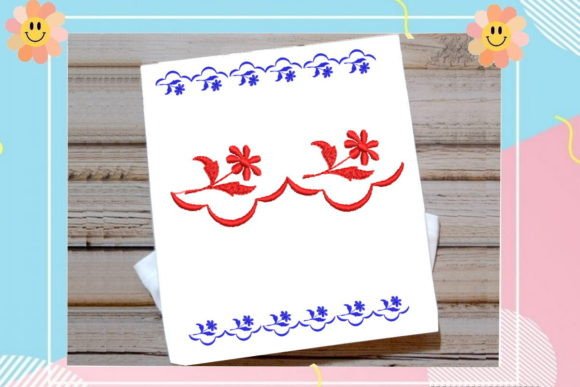
The true value of any embroidery file lies in its application. I immediately began visualizing how the Tricolor Flower Border would perform on various items in my standard craft fair display. The most obvious candidate is the tote bag. A simple canvas tote is often a blank slate, but adding a floral border along the bottom hem instantly elevates it from a grocery carrier to a fashion statement. The tricolor aspect implies depth and contrast, which photographs exceptionally well for online listings. When customers scroll through your Etsy shop, high-contrast colors on a neutral background catch the eye faster than muted tones.
Beyond bags, this design shines on kitchen textiles. Imagine an apron embroidery project where the border runs along the bib or the waist tie. The elegance described in the product details translates perfectly here. Similarly, tea towel embroidery using this motif creates a cohesive set that buyers love to gift. The border nature of the file means it frames the fabric beautifully, creating a sense of completeness even on small items like fabric pouches or pillow covers. For a booth display, having a collection of these items creates a unified brand look. Customers do not just buy a single item; they buy into the aesthetic consistency of the Tricolor Flower Border collection.
However, I also considered smaller accessories. An embroidered patch featuring a segment of this border could work well as a standalone item or a customization option for caps. Small pouches and market bags benefit immensely from a repeating pattern or a defined edge treatment. The design's ability to act as both a small accent and a large focal point is crucial. If the flower details are crisp enough, it works as a focal point on a pillow cover. If simplified, it serves as a delicate trim on a child's outfit. This flexibility is what makes a design asset truly valuable for a creative entrepreneur.
Photography and Online Presentation
In the world of digital sellers and printable mockups, the way a design renders in photos is everything. The Tricolor Flower Border needs to photograph cleanly. Because it is a border, it allows for strategic framing in product shots. You can crop tightly to show the texture of the stitches or pull back to show the entire garment. The description notes that it looks gorgeous on any fabric, which suggests good thread coverage. For an Etsy listing, this means you can confidently use white or light-colored backgrounds to make the colors pop, ensuring the image stands out in search results.
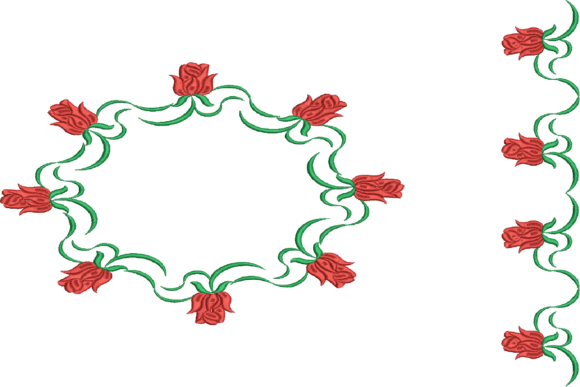
For commercial embroidery products, consistency is key. If you plan to sell these items in batches, the design must be repeatable without losing its integrity. A border design is inherently scalable, allowing you to create long strips for aprons or shorter segments for cuffs. This repeatability reduces production time, allowing you to focus on marketing and customer engagement rather than constant re-hooping and redesigning.
Practical Production and Selling Notes
As an experienced designer, I cannot stress enough the importance of testing before mass production. While the description claims the design is fun and easy, real-world fabric textures can be unforgiving. Before committing to a full run of craft fair products, you must test the design on scrap fabric. Pay close attention to the stitch density. Dense areas can sometimes cause puckering, especially on thinner fabrics like cotton voile or linen blends often used for home decor.
Thread color selection is another critical factor. The term "tricolor" implies three distinct hues. To ensure the design reads clearly, you need to choose threads that offer sufficient contrast against your base fabric. On dark fabric, the clarity might suffer if the thread count is too low or the colors are too similar to the background. Always compare fabric colors against your thread spools under natural lighting conditions to avoid disappointment when the final product is stitched.
Hoop size and stabilizer choice are non-negotiable variables. Even the best embroidery file will fail if the hoop is too small for the design width or if the wrong stabilizer is used. For items like caps or curved surfaces, the distortion of the fabric can alter the shape of the flowers. Ensure you confirm the recommended hoop size for the Tricolor Flower Border before starting. If the design includes tiny details, verify that they hold up on textured towels or thick denim. Sometimes, what looks clear on a screen becomes muddy when stitched into a looped terry cloth towel.
Careful Considerations for Clarity
There are specific scenarios where this design requires extra caution. If you intend to scale the design down significantly for small patches or children's clothing, check for tiny lettering or intricate petal details. These elements often lose clarity when reduced below a certain size. Similarly, if you are working with very thick fabrics, the needle penetration might struggle, leading to skipped stitches. In these cases, using the right stabilizer—whether cut-away for stability or tear-away for softness—is essential to maintain the professional quality expected of a handmade product.
Another vital step for any business owner is confirming commercial licensing. Just because you own the digital embroidery file does not automatically grant you the right to sell finished goods made from it. Always review the license terms to ensure you are compliant before listing items on Etsy or selling them at a weekend fair. Violating these terms can lead to serious legal issues and damage your reputation as a trustworthy creator.
Final Thoughts for the Creative Entrepreneur
The Tricolor Flower Border presents itself as a strong contender for your craft fair inventory. Its blend of elegance and ease of stitching makes it suitable for a wide range of products, from tote bags to apron embroidery. The design's ability to enhance visual appeal and add perceived value to simple items is exactly what drives sales in the handmade market. It creates a polished look that suggests care and craftsmanship, encouraging customers to engage with your brand.
By following practical steps like testing on scraps, checking thread contrast, and verifying hoop sizes, you can maximize the potential of this design. Whether you are creating a booth display or updating your digital shop, the Tricolor Flower Border offers a reliable foundation for building a successful line of handmade gifts and boutique items. It is a design that respects the artistry of embroidery while delivering the practical results that busy entrepreneurs need to thrive.