The Little Fisherman Embroidery Review
As an embroidery designer who spends countless hours testing stitches and planning seasonal collections, I am always on the lookout for designs that strike the perfect balance between whimsy and wearability. Recently, I reviewed The Little Fisherman, a machine embroidery design that has caught my attention for its potential in upcoming holiday and seasonal product lines. This adorable embroidery will give your fabrics an extraordinary look, making it a compelling candidate for Etsy shop owners, handmade gift makers, and small business owners looking to expand their inventory with unique, emotionally resonant items.
The product description notes that this lovely embroidery design can be sewn onto any fabric that needs a nice accent. While the provided text mentions multiple formats, the core appeal lies in its versatility. For sellers planning limited-time product drops or family-themed collections, understanding how this design translates from a digital file to a finished physical product is crucial. Below is my professional assessment of how The Little Fisherman fits into a strategic seasonal collection.
First Impressions: Mood and Aesthetic
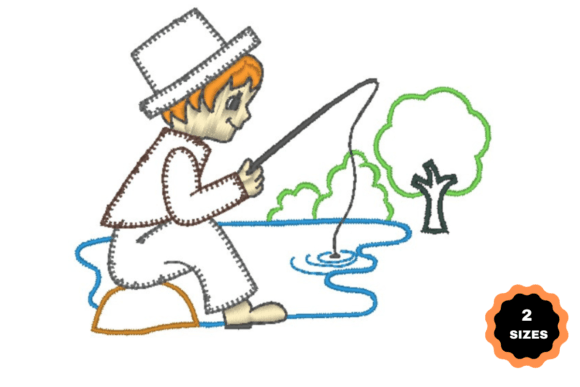
When I first loaded the files for The Little Fisherman, the immediate impression was one of cozy nostalgia. The design feels playful yet refined, avoiding the overly cartoonish aesthetic that often plagues children’s apparel. Instead, it leans into a rustic charm that pairs beautifully with autumnal tones, winter whites, and spring pastels. This emotional tone is vital for holiday selling; customers are not just buying a shirt or a towel—they are buying a feeling.
The decorative style suggests a high level of detail without being cluttered. This makes it ideal for personalized gift scenarios where clarity is key. Whether you are targeting the camping enthusiast or simply someone who appreciates nature-inspired decor, the design bridges the gap between modern minimalism and traditional craftsmanship. It feels premium enough for higher-end home decor but cute enough for baby items and nursery accents.
Seasonal Product Applications
One of the strongest aspects of The Little Fisherman is its adaptability across various product categories. In my experience building seasonal shops, the most successful designers choose designs that can be applied to multiple SKUs. Here is how this embroidery file performs in real-world applications:
- Sweatshirt Embroidery: The design scales well on crewnecks and hoodies. For holiday markets, consider placing it over the heart or centered on the chest. It works particularly well on heather grey, navy, or cream fabrics, creating a soft contrast that appeals to gift buyers looking for comfort and style.
- Tote Bag Design: Canvas totes are a staple for craft fairs and online sales. Sewing this onto a sturdy tote bag creates an instant conversation starter. It adds a narrative element to a functional item, making it a perfect handmade gift for teachers, librarians, or outdoor enthusiasts.
- Kitchen Towel Embroidery: This is an underrated category for high-margin sales. The compact size of kitchen towels allows for precise detailing. The Little Fisherman brings a touch of whimsy to the kitchen, fitting perfectly into farmhouse-style home decor trends that dominate social media during the holidays.
- Pillow Cover and Home Decor: For larger projects, this design can anchor a throw pillow arrangement. The visual weight of the fisherman motif provides a focal point without overwhelming the textile, allowing it to blend seamlessly with seasonal color palettes.
- Embroidered Patch: If the design includes clean edges or is intended to be appliquéd, it can serve as a detachable patch. This adds value by allowing the customer to customize jackets, bags, or hats, increasing the perceived worth of the small shop product.
Gift Bundles and Marketing
From a marketing perspective, The Little Fisherman lends itself well to bundling. Imagine a "Cozy Winter Bundle" featuring a sweatshirt, a matching kitchen towel, and a set of coasters. The consistency of the design across these items builds brand recognition and trust. When shoppers see a cohesive collection, they are more likely to purchase multiple items, boosting your average order value.
For Etsy sellers, this design is excellent for social media previews. The distinct character of the fisherman translates well into thumbnail images, helping your listings stand out in crowded search results. Creating a printable mockup that shows the design on various textures—like chunky knit wool or smooth cotton—can help customers visualize the final product, reducing hesitation and returns.
Technical Considerations and Best Practices
While the artistic vision is strong, technical execution is what separates a professional seller from an amateur. Before adding The Little Fisherman to your production line, there are several critical factors to address.
First, always test thread colors on both light and dark fabric. The mood of the design shifts dramatically depending on whether you use bright primary colors for a playful look or muted earth tones for a rustic feel. I recommend experimenting with variegated threads to add depth, but ensure the stitch density supports the complexity of the design.
Checking the stitch density is non-negotiable. If the design is too dense for certain fabrics, such as thick towels or stretchy garments, it may pucker or distort. Always use the proper stabilizer for your specific fabric texture. For example, a cut-away stabilizer is essential for stretchy sweatshirts to maintain shape after washing, while a tear-away might suffice for stable cotton kitchen towels.
Confirm the hoop size requirements before printing or cutting materials. Running a design that exceeds your hoop capacity can lead to alignment issues and wasted time. Additionally, review small details after stitching. Tiny elements like buttons, eyes, or tackle boxes need to be clear and distinct; if they merge together due to poor resolution or incorrect settings, the charm of the design is lost.
Fabric and Care Constraints
Care must be taken when applying this design to certain items. Avoid using it on curved caps unless you have specialized equipment, as distortion is common. Similarly, on items that need repeated washing, such as baby onesies or daily-use aprons, ensure the stitching is secure and the threads are colorfast. Metallic threads, while attractive, can be brittle and may break if not handled carefully, so reserve them for decorative items like ornaments or pillows rather than high-wear apparel.
Conclusion: A Strategic Addition to Your Collection
The Little Fisherman offers a versatile, emotionally engaging option for sellers looking to capitalize on seasonal trends. Its ability to transition from casual apparel to home decor makes it a valuable asset for any digital embroidery file library. By paying close attention to technical details like stitch density, stabilizer choice, and thread selection, you can create high-quality finished products that resonate with customers.
Remember to confirm commercial licensing terms before selling finished seasonal products. As you plan your next holiday drop, consider how this design fits into your broader brand story. Does it complement your existing color palette? Does it speak to your target audience’s desire for cozy, meaningful gifts? If the answer is yes, then The Little Fisherman is ready to become a bestseller in your shop.
Whether you are creating a limited edition run for a craft fair or stocking up for year-round sales, this design provides the foundation for beautiful, marketable embroidery projects. Test it thoroughly, present it beautifully, and watch as it enhances the appeal of your handmade creations.